Mastering Customer-Centric Marketing: Proven Strategies for Unstoppable Growth and Success
Engagement Strategies
8 Min Read
Discover customer-centric marketing strategies that improve engagement, build loyalty, and drive long-term business growth with personalized experiences.
Businesses realize that the wish-haves have been placed on the wish list of their customers. Customer-centric marketing is not just another shopworn phrase; rather, it has become an absolute necessity for sustainable growth and future success. Brands that know and understand the needs, wants, and behaviors of their customers can build deeper relationships that foster brand loyalty and growth alike.
What does it take to manage customer-centric marketing well? This blog considers some proven tactics that will allow you to create a marketing strategy that revolves around your customers, allowing you to make lifelong advocates out of your customers.
In Customer-Centric Marketing:
A good customer-centric marketer not only deals with processes, products, and sales but also creates experiences, solves problems and builds relationships. Standards have been set by names like Amazon, Apple, and Zappos; they passionately pursue customer service-oriented business models that are demonically profitable.
Essential Advantages of Customer-Centric Marketing:
More Customer Loyalty: Customers tend to remain loyal to your brand when they feel valued. A Harvard Business Review study found that a customer retention rate increase of as little as 5% brings an increase in profits by 25-95%.
Higher Customer Lifetime Value: A customer-centric goal allows for repurchases and a longer engagement period. Thus each customer's revenues brought about will be considerably higher.
Better Brand Reputation: Content customers become brand ambassadors. Therefore, they spread the good word and refer others.
Better Insights into Customers: A firm that focuses on its customers naturally attempts to understand the new needs, market trends, and preferences, thus helping them strategize better.
Competitive Advantage: Customer-centric businesses stand out in saturated markets, making life difficult for competitors.
Working Your Way to Success at Customer-Centric Marketing:
1. Understand Your Customer Well
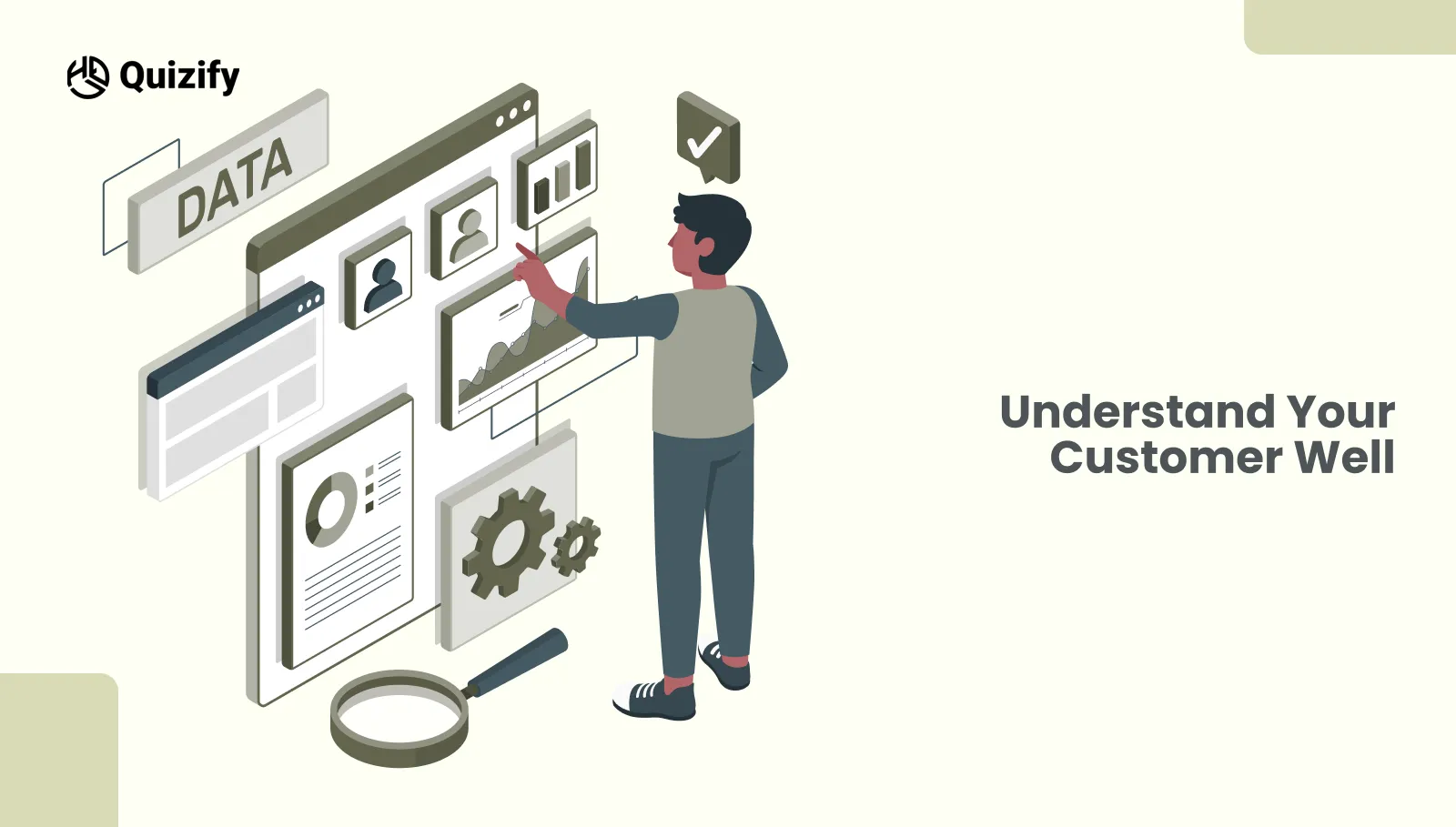
Understanding your customer is the basis of a successful customer-centric strategy. It includes the following:
Creating In-Depth Buyer Personas: Researching the demographics, pain points, behaviors, and aspirations of the customers.
Leveraging Data analytics using AI, CRM tools, and CDPs to determine consumer preferences and predict emerging trends.
Gathering Feedback on an Ongoing Basis-Using survey, social media listening, and interviews, to assess real-time customer sentiment.
2. Personalizing customer experience
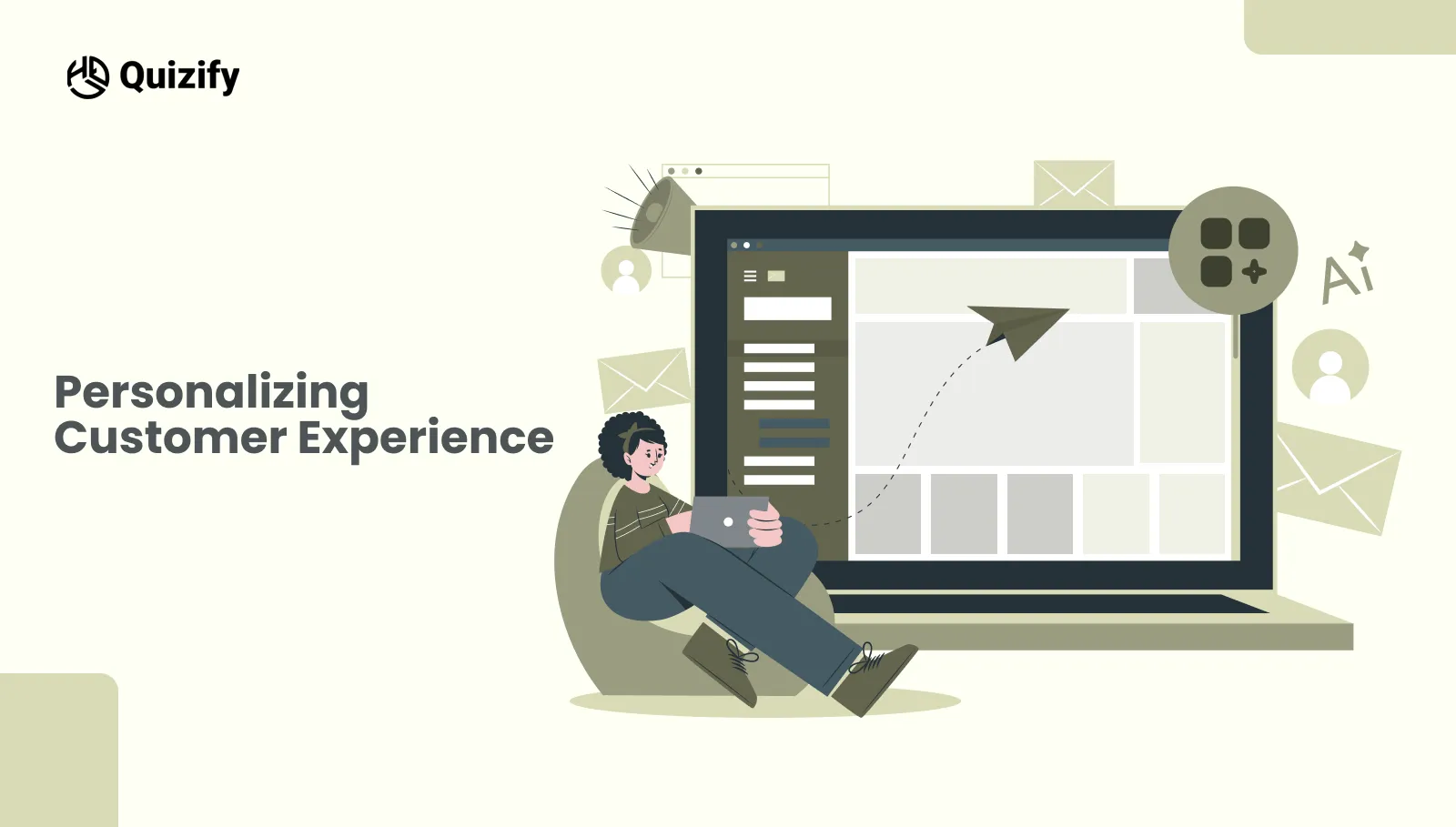
Customers want the brand to know their unique needs and preferences. Personalization matters to customer engagement and conversion tremendously.
Use AI & Automation: Use machine learning to send personalized recommendations, emails, and product suggestions.
Segment Your Audience: Segment your customers according to behavior, interests, and purchase history for relevant content to work.
Use Dynamic Content: Make personalized website content email campaigns and social media ads based on helping individual customers interact.
3. Provide Value-Adding Content
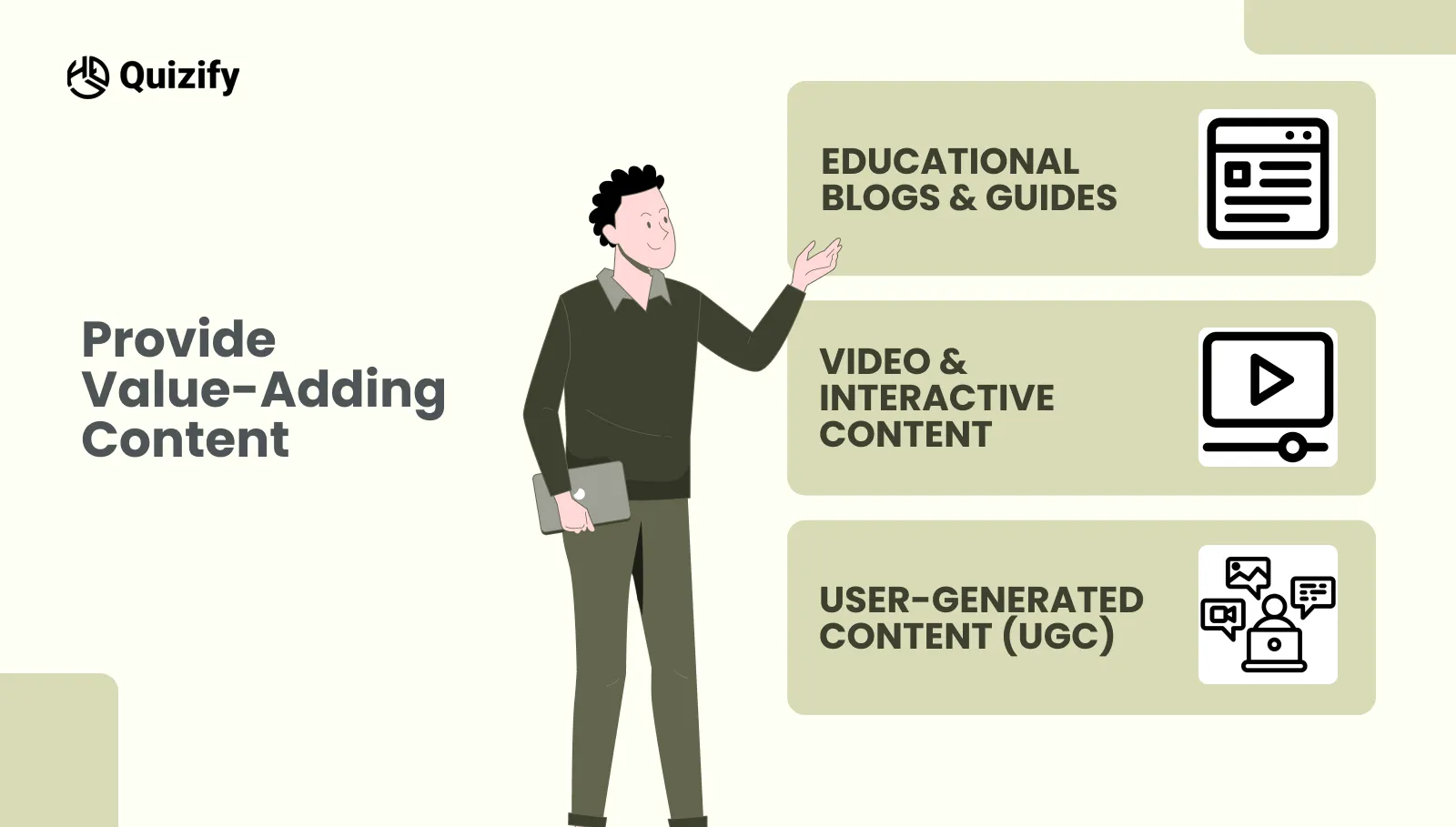
All the more important is content marketing in truly customer-centric strategies. You are not pushing your sell messages down their throats; you are educating, entertaining, and solving a problem for that buyer.
Educational blogs & guides: One way to ensure that the buyer is properly informed is to give actionable insights.
Video & interactive content: Use explainer videos, webinars, quizzes, or interactive games to engage customers.
User-generated content (UGC): Let your customers share testimonials, reviews, or social media postings about your brand.
4. Optimize CX for Every Touchpoint
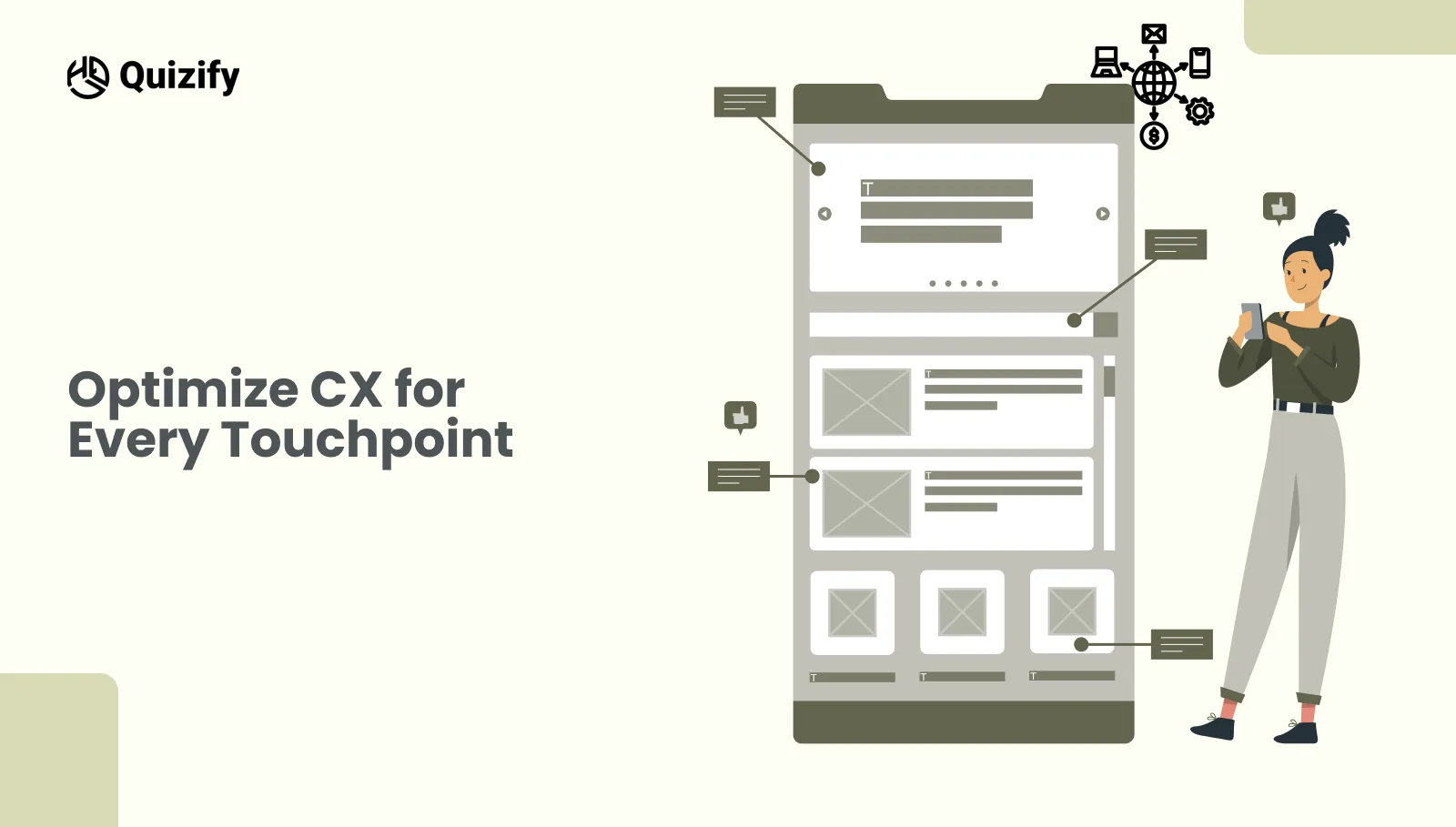
A good and delightful experience and a frictionless journey take care of the entire customer journey. It is touchpoints that matter, from the first point of contact until post-purchase assistance.
Make It User-Friendly: The website should be fast, with mobile-ready technology and ease of navigation.
Simplify Purchase: Reduce checkout steps, provide plenty of payment options, and provide clear descriptions of the products.
Provide Omnichannel Support: customers should be able to reach you wherever they are — Live Chat, email, phone, or social media. AI customer service software like Zendesk unifies these channels into a single platform, ensuring no interaction falls through the cracks
5. Foster a Culture That Lives and Breathes the Customer
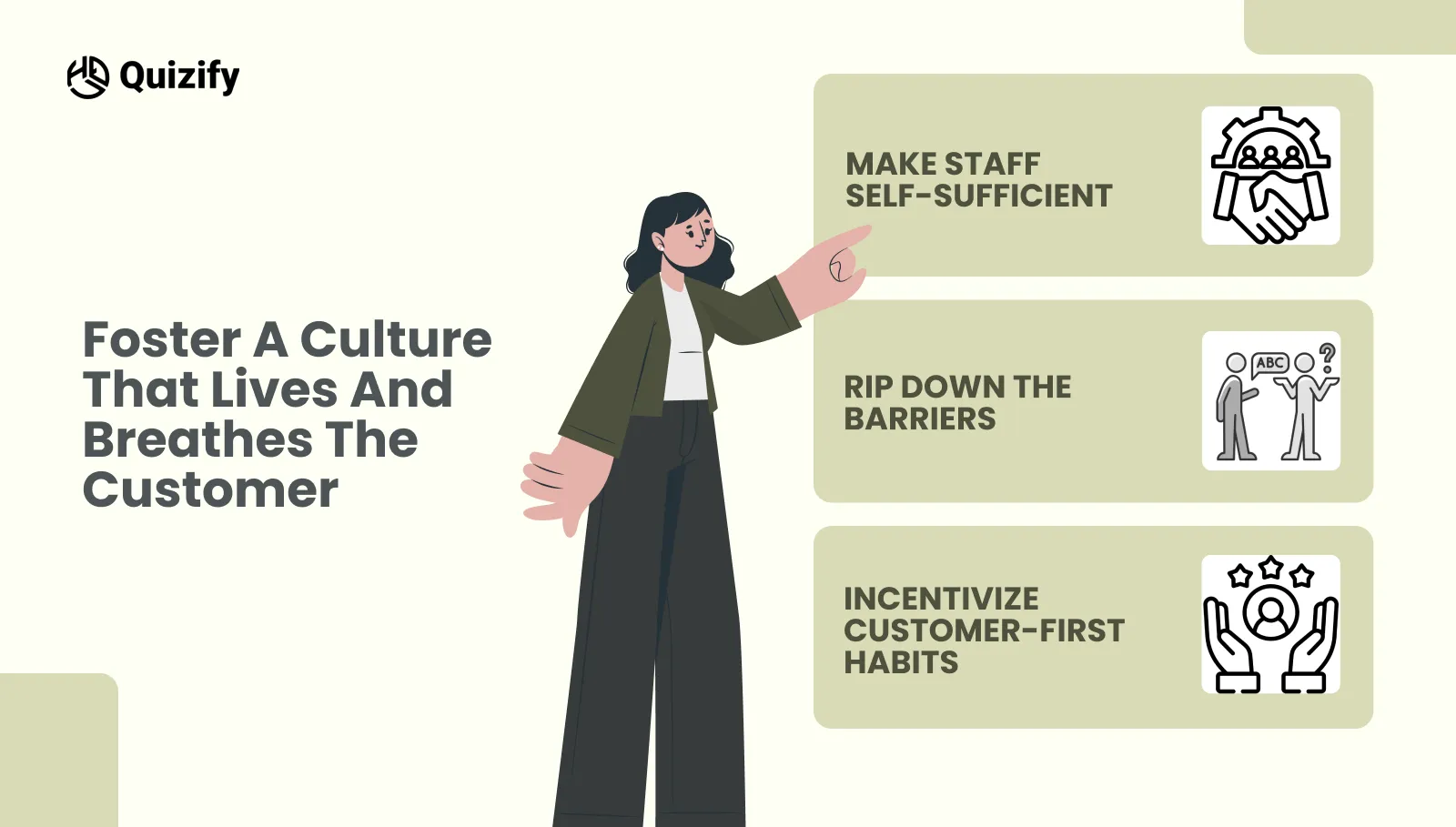
Around this concept, are all the goings-on of the company's conduct.
Make Staff Self-Sufficient: Guiding classes that instruct the staff on how to be customer-oriented should be offered.
Rip Down the Barriers: Guarantee a turned-around and consistent customer experience by working together with marketing, sales, and customer support units.
Incentivize Customer-First Habits: The members of the staff who dedicate themselves to a customer-centric service and go the extra mile to a customer should be not just noticed but also rewarded.
6. Use Technology to Increase Interactions
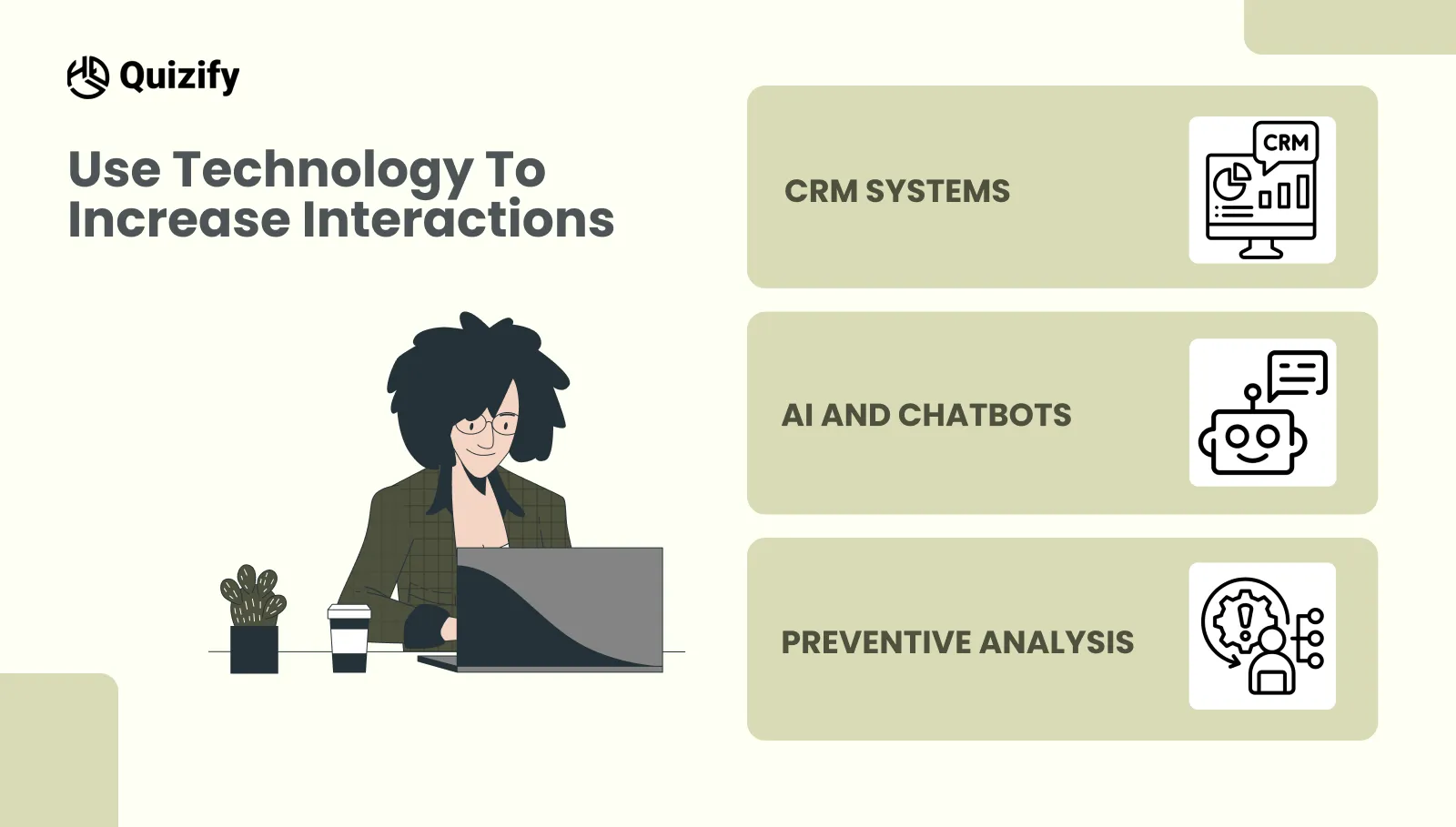
Digital metamorphosis has overturned the traditional customer-interaction system. The power behind technology can take customer-oriented marketing to a new degree.
Customer Relationship Management (CRM) Systems: Using tools like Salesforce or HubSpot leads to an improved customer experience.
AI and Chatbots: A strategy that is both personalized and allows Automation as many queries as possible to be answered will build a stronger relationship with customers.
Preventive Analysis: AI will be used to know customers' preferences and then will advise them in a proactive manner.
Referral and Loyalty Platforms: Tools like ReferralCandy turn satisfied customers into active promoters, using automated rewards and tracking to deepen engagement while driving new customer acquisition organically.
7. Measure and Improve Continuously
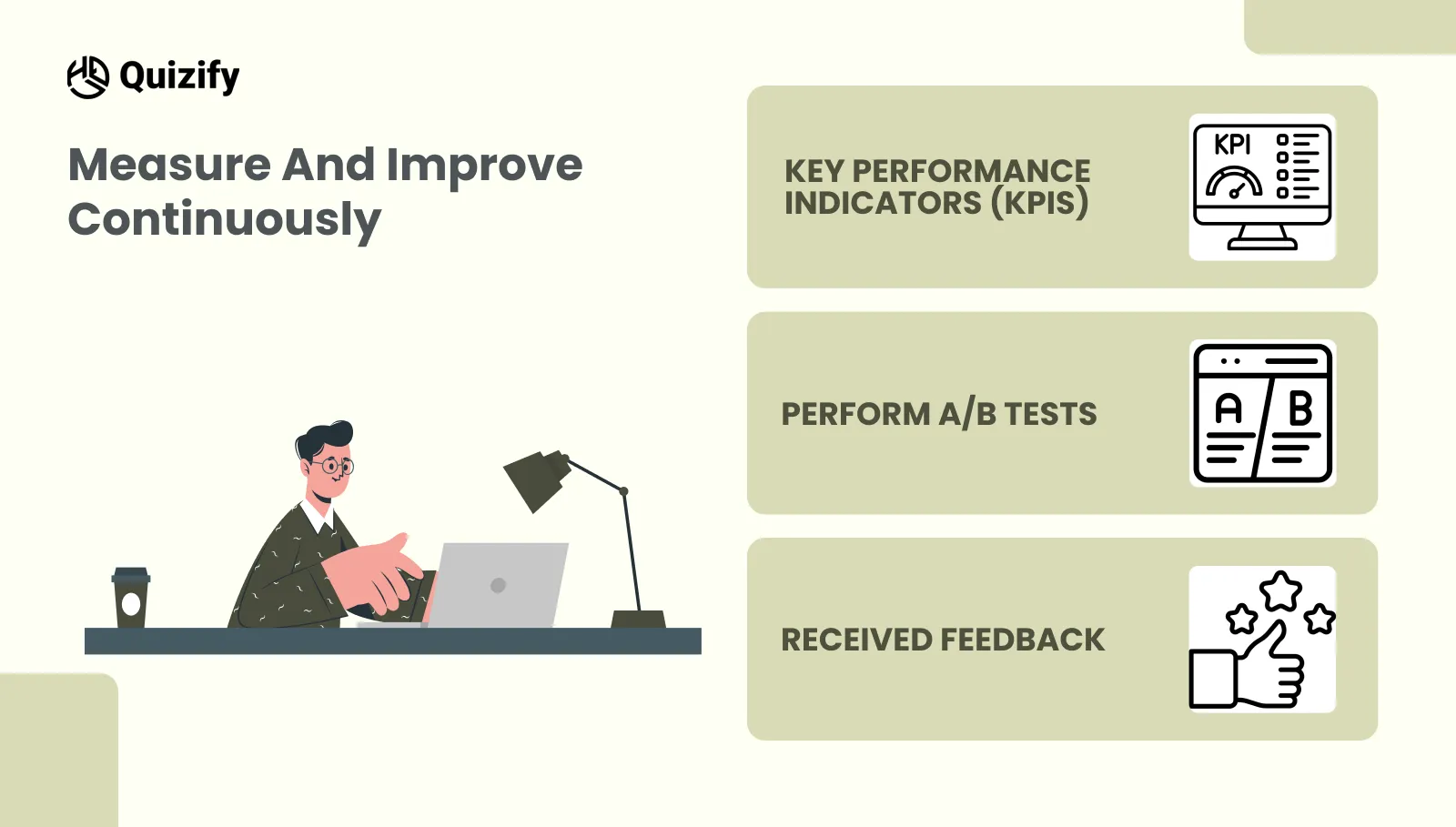
A customer-focused approach requires ongoing tracking and optimization to address the concerns and demands of the consumers.
Check Key Performance Indicators (KPIs): In order to measure the performance of the customers, Net Promoter Score (NPS), customer satisfaction (CSAT), and retention levels should be kept under control.
Perform A/B Tests: The goal is to find out what strategies work and what tactics the audience prefers, thus test marketing-related experiments.
Modify Strategies According to the Received Feedback: Make use of the customers' reactions to your ideas, which you will modify, as one of the ways to delight and make the overall experience the right way.
Final Thoughts
The key to customer-centric marketing is not just the transaction mechanism but also the relationship-building process which eventually leads to success and continued enterprise growth. Businesses with the right approach of customer first, i.e., that listen, personalize, and constantly innovate, are not only the ones that grow but also the ones that produce many loyal advocates.
With the strategies mentioned above, your company will switch from the traditional product-focused approach to a truly customer-first mindset which in turn will set the stage for rapid growth and success.
Is this the time to make your marketing strategy different and innovative? Start by making your clients the focus, and you will see your brand thrive like never before!
Read More: Integrating Quizzes with Your CRM: Boosting Efficiency and Engagement
Join our newsletter list
Sign up to get the most recent blog articles in your email every week.
Similar Topic