Lead Generation Engine: 5 Ways to Turn Customer Data into Facebook Ads That Convert
Engagement Strategies
8 Min Read
Unlock the full potential of your customer data. Learn five proven ways to turn insights into a lead generation engine using Facebook Ads that actually convert.
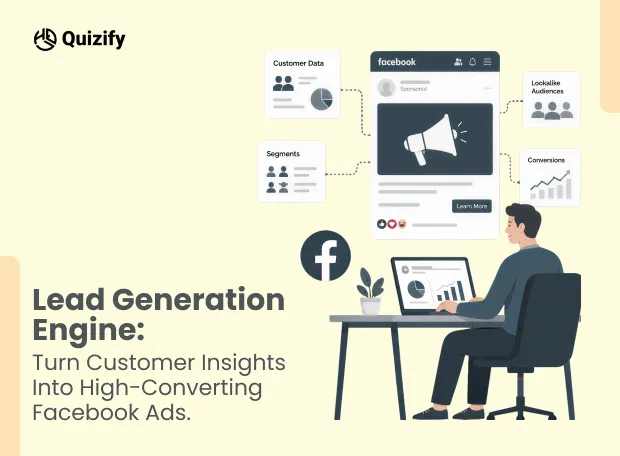
Building a Lead Generation Engine isn’t about fancy software or clever gimmicks. It’s about one thing: using what you already know to reach the right people at the right time. In 2026, Facebook Ads remain one of the most effective tools for growth and lead generation marketing. But the businesses seeing real results aren’t relying on luck. They’re building data-driven marketing campaigns fueled by data they already own.
If you’re still launching ads without using insights from your customers, you’re leaving conversions on the table. In this blog, we’ll show you five proven strategies to turn your customer data into a lead generation engine that makes Facebook Ads more personal, more profitable, and more powerful for customer acquisition and conversion optimization.
Sample Quiz Segments and Matching Facebook Ad Angles
Quiz Outcome | Facebook Ad Message |
Struggling with Time Mgmt | "Feeling overwhelmed? Our planner simplifies your week." |
Advanced Marketer | "Already hitting 6 figures? See how to scale further." |
New Business Owner | "Just launched? Here’s your step-by-step ad plan." |
Product Curious Shopper | "Still comparing options? Here's what makes us different." |
Budget-Conscious Buyer | "Save more without compromising results. See plans." |
1. Segment Your Customer Base First
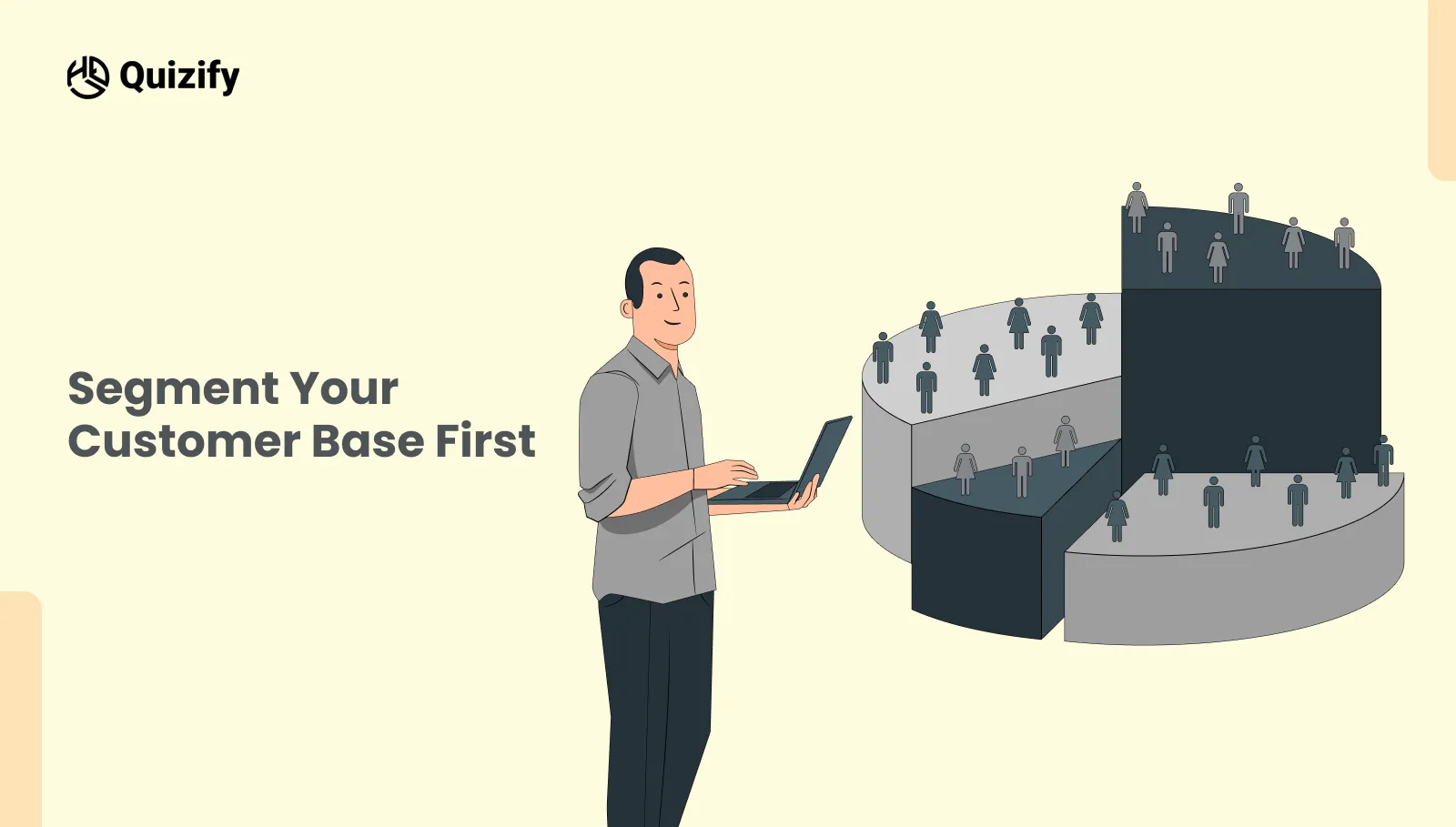
Before you launch your next campaign, take a look at the people already on your list. Your email subscribers, past buyers, even freebie downloaders. Every one of them tells you something about what works and what doesn’t.
Segment these contacts based on behavior. Who opened your last three emails? Who purchased it more than once? Who clicked but didn’t convert? These groups are gold for Custom Audiences in Facebook Ads. The Lead Generation Engine starts here, by feeding the algorithm with high-quality data from people already engaged in your sales funnel.
Don’t just stop with segments. Create exclusions too. You don’t want to waste money showing prospecting ads to customers who have already bought. Tools like Klaviyo help you do both: segment intelligently and sync directly with ad platforms.
2. Use Quiz Results to Fuel Campaign Targeting
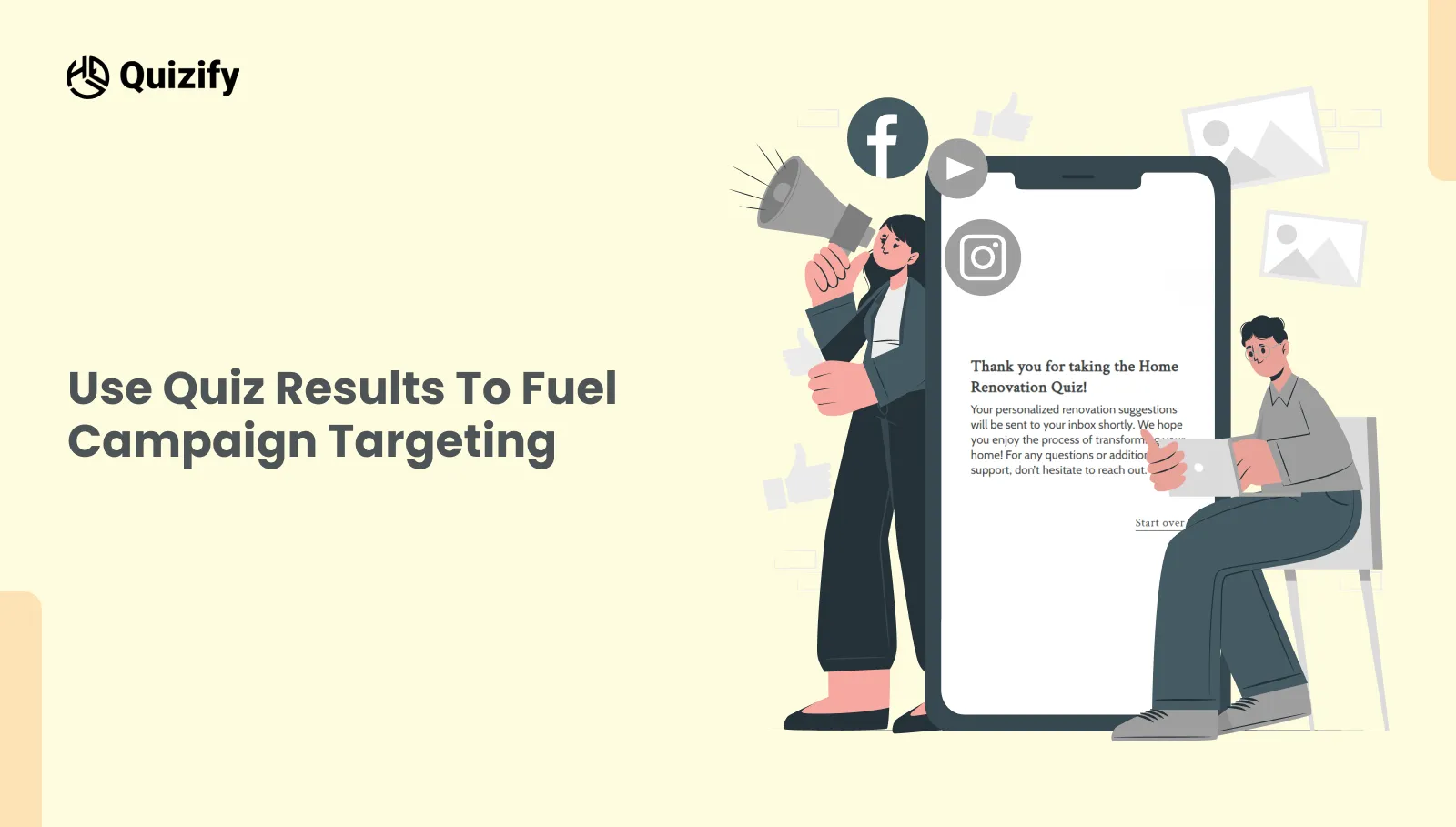
One of the most underrated ways to build a data-driven Lead Generation Engine is through quizzes interactive content marketing. A well-built quiz not only collects emails, it collects intent. Someone tells you what they care about, what stage they’re in, and what kind of solution they need.
Platforms like Quizify help you integrate quiz answers directly into your CRM or ad tool using marketing automation, CRM integrations, and lead capture forms.
Use this insight. If your quiz asks questions about experience level or main struggle, tag the results accordingly. Someone who says they struggle with content creation might reply to an ad offering done-for-you templates and other digital marketing resources. Someone confident in their strategy may go for advanced tools or case studies.
With Quizify (product integrations), you can send quiz answers straight into your CRM or ad platform. This helps you enrich every lead and control what they see next.
3. Build Smarter Dynamic Product Ads
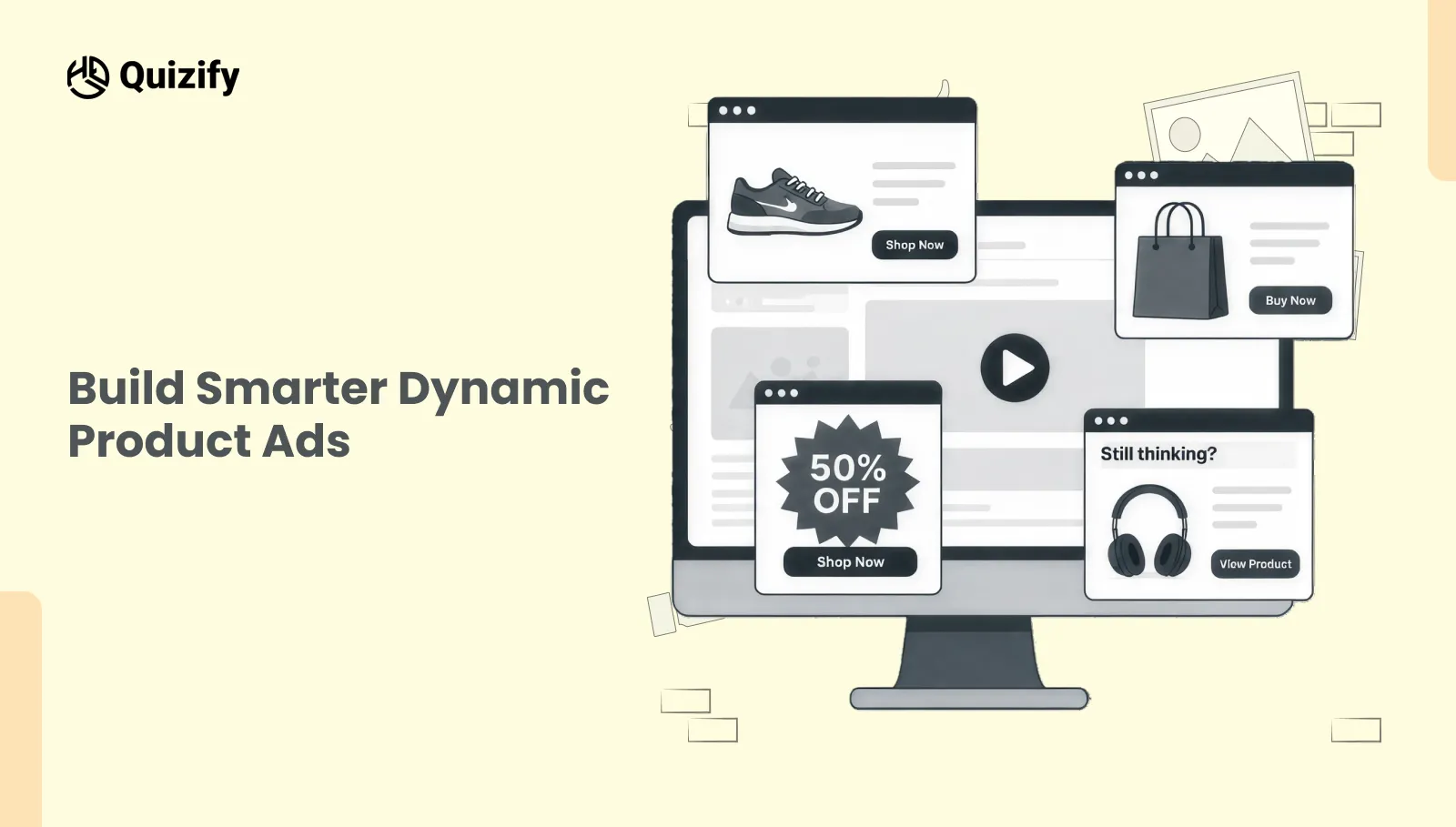
If someone visits your site and looks at a product but doesn’t buy, you’ve got an opportunity. Facebook’s Dynamic Product Ads (DPAs) let you show that exact product to the same person later. But it gets even more powerful when you combine it with other behavioral signals.
Use pixel data to go deeper. Show a different ad to someone who visited your site three times compared to someone who only bounces once. Make different versions given what section the user checked out or at which point they left.
Top marketers don’t treat Facebook Ads as random impressions. They use them as part of a funnel strategy with retargeting built into their lead generation system.
If you want to be certain that your pixel is capturing everything correctly, then turn to Facebook's Events Manager and check that each action, starting from landing page view all the way to checkout, is being properly tracked.
4. Turn Customer Language into Copy That Converts
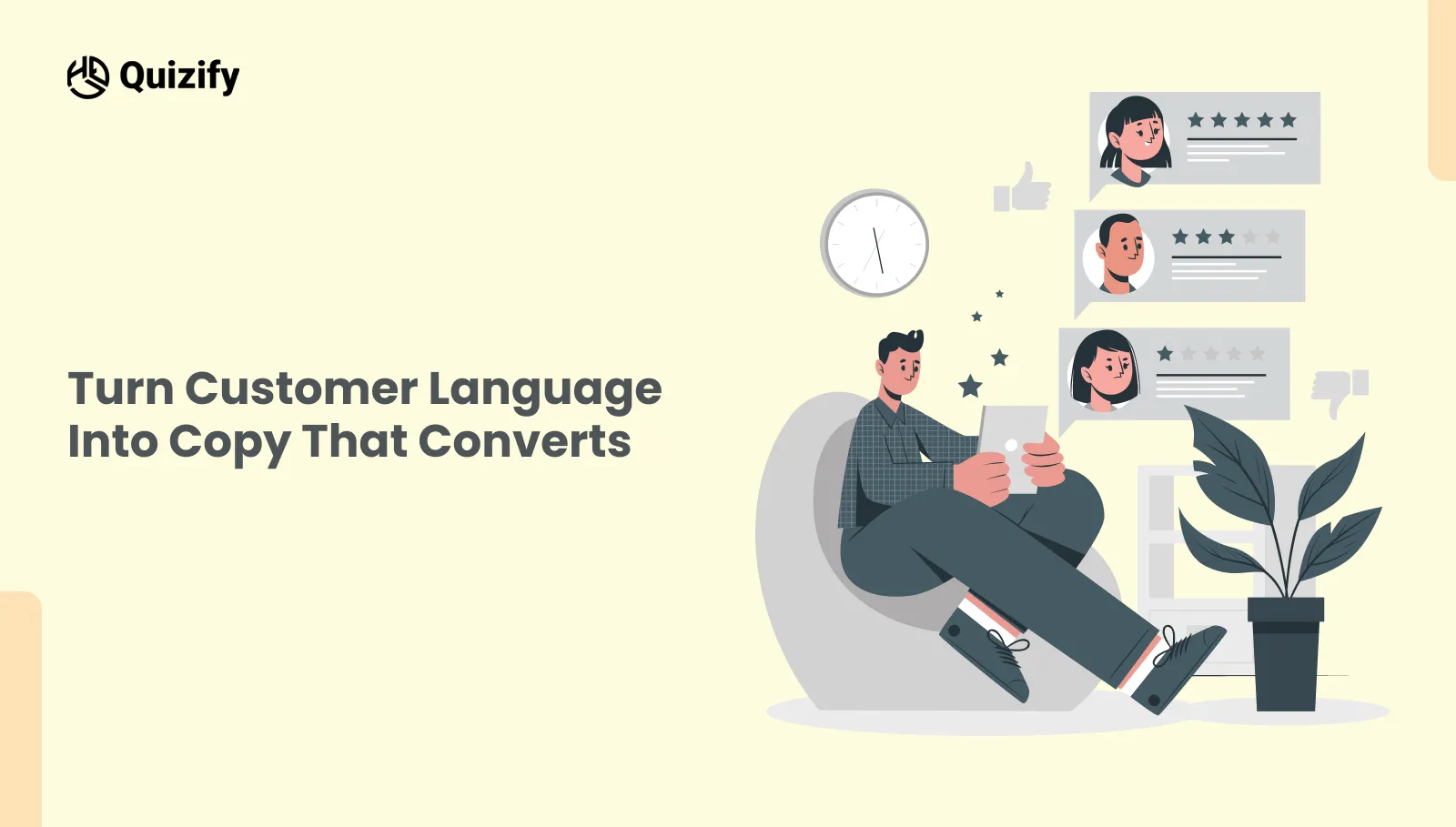
Not all data is numeric. Some of the most useful customer insights live inside your reviews, testimonials, and chat logs. What words do your customers use when they describe your product? What were they skeptical about before buying?
Collect these phrases and use them in your ad copy. Let your audience hear their own voice reflected back. It builds trust, removes friction, and improves through better ad engagement and click-through rates.
This works even better when paired with user-generated content (UGC) and social proof marketing. . A short video or image from a real user, captioned with real feedback, cuts through in a way that polished graphics often don’t.
5. Optimize for LTV, Not Just Leads
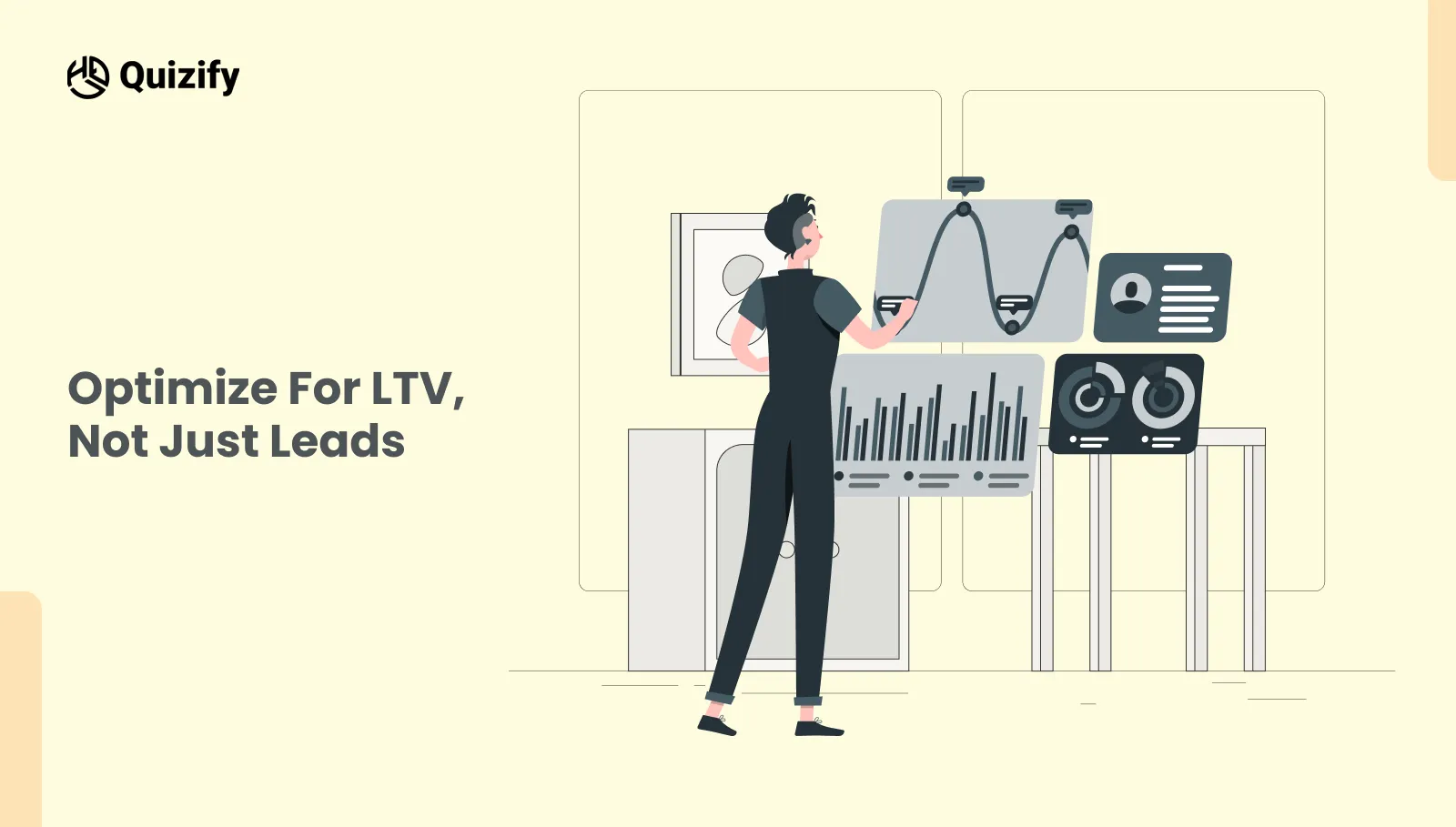
Most marketers still run Facebook Ads trying to get as many leads as possible. But volume doesn’t equal value. If half your leads never buy, your Lead Generation Engine isn’t working, it’s leaking.
Shift your focus to high-LTV segments and customer lifetime value. Use purchase data to figure out which customers spend the most, stay the longest, or refer others.
If you have tools like Triple Whale or Lifetime, you will be able to discover in your data certain trends. For instance, it might happen that your highest-value customers are the ones that all came from one specific quiz result, or they all opened a certain email. Once you know that, you can direct more of your ad budget toward attracting more of those high-value leads through lookalike audiences and performance marketing.
Myth vs. Reality: Facebook Ads and Customer Data
Myth | Reality |
|---|---|
Facebook Ads don’t need much data to work. | Better data means smarter targeting and lower costs. |
All leads are created equal. | LTV varies. Optimize for quality, not just quantity. |
Retargeting alone is enough. | Strong targeting fuels creative performance. |
The most common misconceptions about data and ad performance
New Strategy: Use Funnel Tags to Power Retargeting
Many businesses track top-of-funnel actions like landing page visits or clicks. But if you’re serious about building a complete Lead Generation Engine, track mid-funnel behavior too.
Did someone watch 75% of your webinar? Did they answer “yes” to a pricing question in your quiz? Did they scroll 90% down your sales page without buying?
These are all signals of intent and Facebook lets you build audiences based on many of these actions. Set up custom conversions or event tracking in your CRM for better lead nurturing and remarketing campaigns.
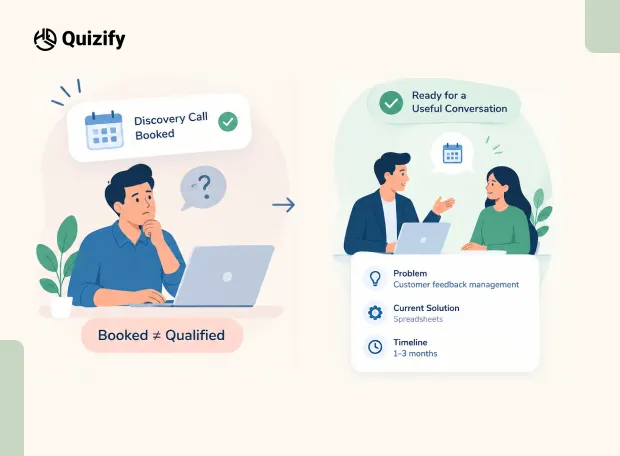
Here’s how a quiz-based segmentation approach can translate into ad messaging:
Internal Systems Make or Break Your Lead Engine
A Lead Generation Engine isn’t just built on targeting. It depends on the backend too, including your marketing funnel and email automation. If your funnel isn’t ready to follow up quickly, or if your email sequences aren’t aligned with ad campaigns, performance suffers.
Make sure your lead handoff is smooth. When someone clicks an ad and fills out a quiz or form, do they get an immediate email? Are they sent to a relevant landing page? Do they get segmented in your system correctly?
This is where systems like Intercom or Help Scout shine. So, you can send users customized messages, helpful tips, or even target them with the second best offer while inviting them to give feedback for you to improve communication.
Conclusion
Customer data isn’t just something to analyze. It’s something to activate. When you treat your insights like the fuel for a high-performing Lead Generation Engine, your Facebook Ads stop being a guessing game. They become a precise, repeatable system for growth.
Segment intentionally. Personalize your messaging. Don’t just use age, gender, or location. And don’t waste useful data. Quiz answers, past purchases, or survey feedback can all help you run better and smarter campaigns with stronger lead conversion, customer targeting, and Facebook ad optimization.
FAQS
1. What is a Lead Generation Engine in Facebook Ads?
A Lead Generation Engine in Facebook Ads simply means using your own customer data like buyers, website visitors, and email lists to run ads. You stop right from the ad level to guessing and targeting people who are very likely to become your customers.
2. How does Facebook use customer data in ads?
Facebook looks at various activities like visiting a website, opening emails, making purchases, etc. It then either retargets the same users with ads or tries to identify new ones who have similar behavior patterns.
3. Why do I need to split my audience into groups?
Because not everyone is the same. Someone who just found you shouldn’t see the same ad as someone who already bought. Splitting people helps you not waste money and makes ads more relevant.
4. Can this still work if I don’t have a big business?
Yes. You don’t need huge data. Even small things like a few email signups or website visitors are enough to start building better ads.
5. What should I actually watch in my Facebook Ads?
Don’t overthink it. Just check how much you spend to get a lead, how many people actually become customers, and if those customers bring in value over time. That’s enough to know if things are working or not.
Join our newsletter list
Sign up to get the most recent blog articles in your email every week.
Similar Topic