How to Optimize Landing Pages That Actually Generate Leads
Engagement Strategies
8 Min Read
Learn how to optimize landing pages for maximum lead generation with proven strategies to boost conversions, improve UX, and capture high-quality leads.
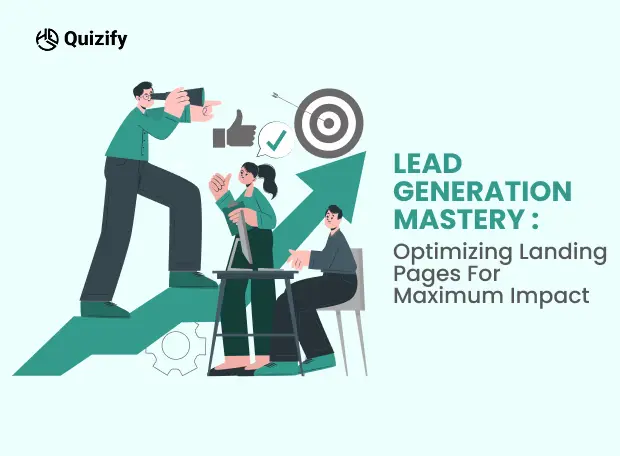
Nowadays in the world of technology and the internet, the market becomes overloaded with stimuli that a landing page is no longer just an element of your marketing mix. Rather it’s an interaction point that can define the success or failure of your lead generation campaign. If Landing page optimization is done perfectly, that offers the ability to turn people into qualified leads. But the landing page must be clear, strong on the call to action, and focus on the user.
Effectiveness of Landing Page in a Lead Generation:
Landing pages are stand-alone web pages that are created to capture information such as an email address, phone number, or any other information the visitor would like to share for an offer as simple as, an eBook download, registration for a webinar, or product demonstration. In contrast to homepages, the landing pages are aimed at one CTA and therefore play a critical role in the conversion process funnel builder.
Landing page optimization is not about the pretty layouts only, but it’s about the functionality and convincing looks. A landing page is the art of design, persuasive language, and an effective web page that conforms to standards.
Key elements for optimized Landing Page:
1. Compelling Headline
The headline is the first thing that a visitor will notice about the article so it must be catchy. It has been demonstrated that a good headline is simple, brief, and focuses on the benefits. For example, instead of a generic headline like “Download Our Guide,” try something more specific: Leverage our free guide to master Email Marketing in 7 days.
2. Engaging Visuals
First of all, we should consider visuals as one of the crucial components in practicing purchase intentions since they attract more attention and help deliver your message. Insert relevant and professional images, videos, or graphic images that should match your offer. For example, an advert clip about your product can enhance attention and confidence in that product.
3. Focused and Relevant Content
Writing the copy, make sure that it’s brief comes straight to the point, and has benefits-orientated copy. Connect with your audience’s needs and concerns and tell them how your offer will address their problems. To make content as digestible as possible, try to turn some of it into a list of simple bullet points.
4. Clear and Prominent CTA
The button on your page should be easily noticeable and vivid, especially its text – it must tell the visitor what to do next. Always employ a call to action such as “Click Here to Get Started Now,” or “Sign Up For A Free Trial.” The CTA button should be easily seen by users placed in a strategic position and should stand out from the background.
5. Mobile-Friendly Design
Half of the Internet users use their mobile devices to access the Internet, therefore, the landing page should be adaptable to any mobile device. Check the page for its deliverability across different devices in order to assess its effectiveness and speed.
6. Trust Signals
It is recommended to use the features that deliver trust, which are, for example, the customer testimonial, the reviews, the case study, and the security seals. They can also help eliminate tension and persuade the recipients to act in a certain way.
7. Streamlined Forms
The fewer fields you offer to fill, the higher the chances that your visitors will fill it up. Never search for information beyond what you require. For instance, if you are creating a campaign that will host a free eBook, it may not be necessary to ask for permission to share a name and email address.
Best Practices for a perfect Landing Pages:
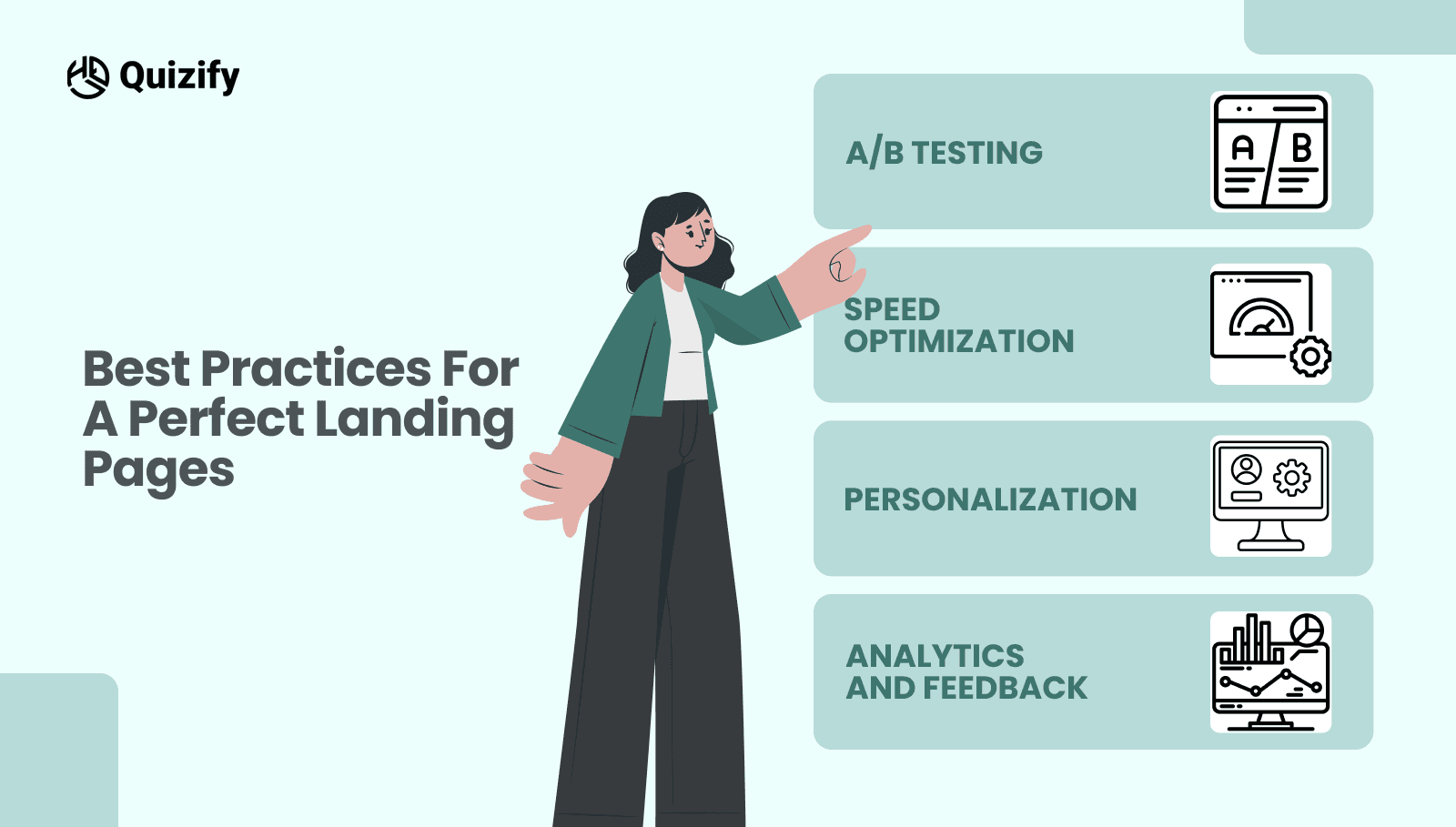
A/B Testing:
This means that A/B testing is basically about coming up with two or more versions of a landing page in order to compare them to establish which one is the best. Try and trial various headlines, images, CTA, and layout options to see which one feels right for your brand.
Speed Optimization:
Site loading time greatly impacts the experience of the users and their conversion rates. Optimize images with acceptable quality and use clear and concise code, mainly by utilizing CDN to enhance page loading rate.
Personalization:
Optimize the structure of your landing page according to the potential customer’s profile or activity. For instance, show a variety of offers that attract first-time users and one that will exercise users who visited the site before.
Analytics and Feedback:
Google Analytics or heat maps will help you see how people behave when visiting the site and which sections need to be optimized. These findings can then be amalgamated with real-user feedback for a variety of improvements to be made.
Mistakes to Avoid:
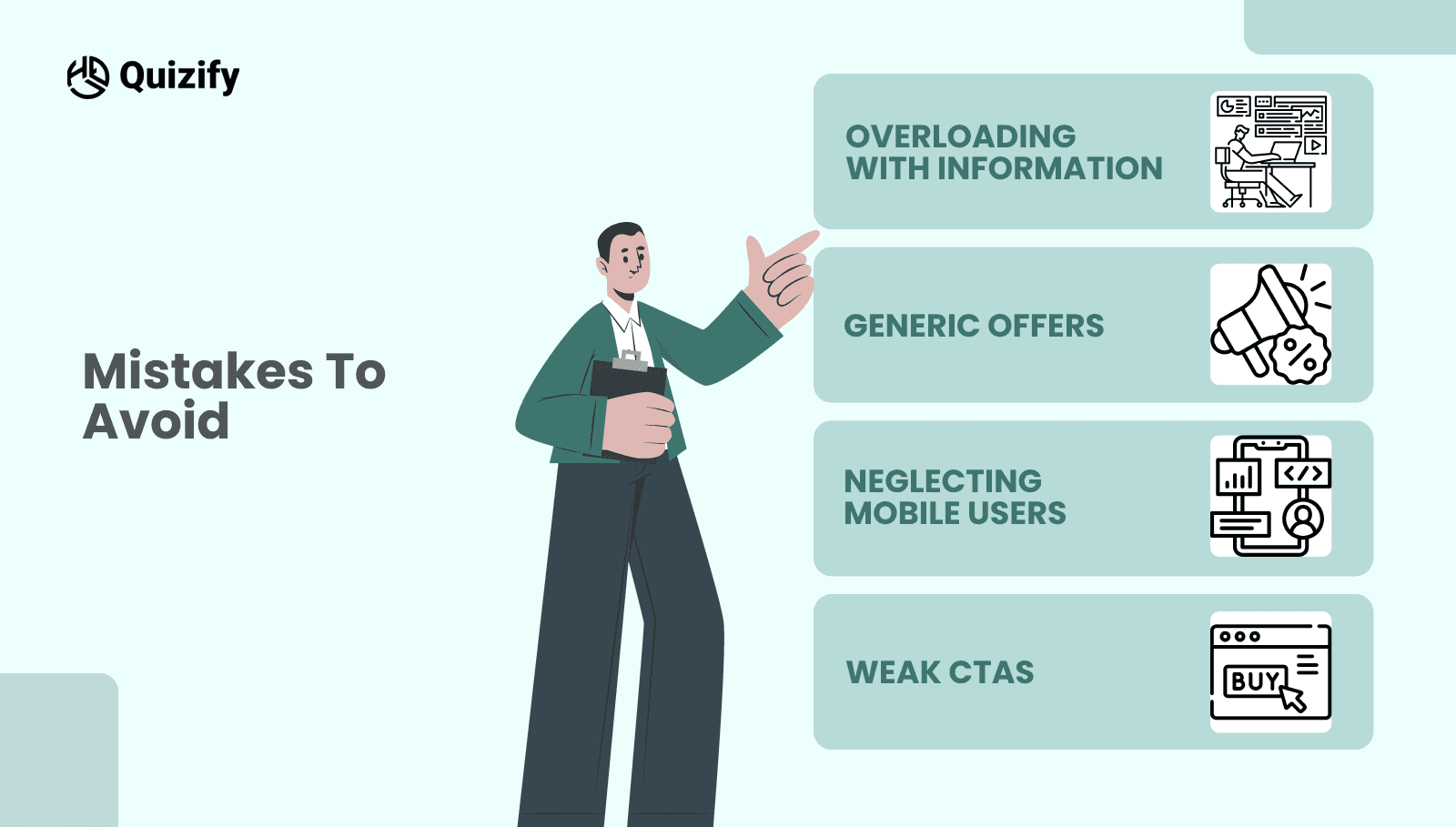
1. Overloading with Information:
A scattered-up page with too much writing or graphics deters the visitors. Do not clutter the web page with too many items, and make sure the highlights section looks professional.
2. Generic Offers:
Make sure that your offer fulfills the needs or wants of those customers in your niche market. This means something like: There is nothing that can make people buy something, but a compelling offer.
3. Neglecting Mobile Users:
Leaving mobile optimization out of the strategies can cost potential leads a lot. Mobile first should always be the approach when designing applications.
4. Weak CTAs:
Alternatively, ambiguous or concealed CTA makes it difficult for the user to know that a page wants him to act in a certain way, and, therefore, no conversions can occur.
How to Measure Success:
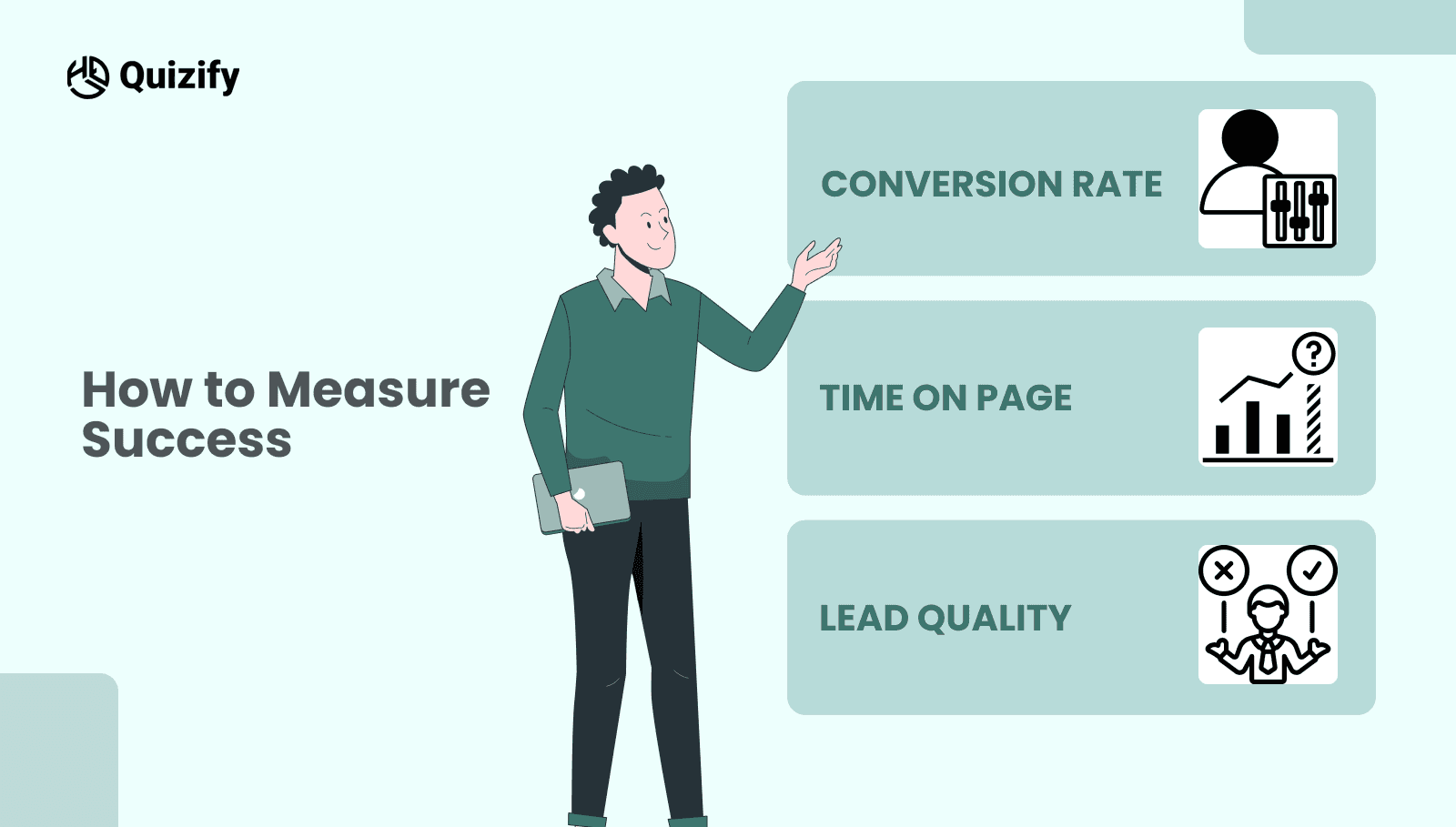
To determine the effectiveness of your landing pages, track key metrics such as:
Conversion Rate: Conversion rate of visitors to the targeted action of the website or platform.
Time on Page: Showers how interactive or passive your content is.
Lead Quality: Determine the worth of the leads that have been collected.
Conclusion:
Lead generation is complex but incredibly effective when combined with the understanding of landing page optimization as well as creativity as well as focus on users’ needs. When you highlight the elements of headline, image, and CTA and avoid the issues that can lead to poor conversions, you can design landing pages that produce conversions every time.
So, landing pages are best to use for growth and become your main guide to lead generation mastery if used with the proper approaches.
Read More: How to Create High-Converting Lead Generation Quizzes for Your Brand
Join our newsletter list
Sign up to get the most recent blog articles in your email every week.
Similar Topic