How to Make a Product Recommendation Quiz
Marketing and Promotion
Dec 22, 2025
12/22/25
8 Min Read
Learn how to create a product recommendation quiz that boosts engagement, personalizes shopping experiences, and increases conversions step by step.
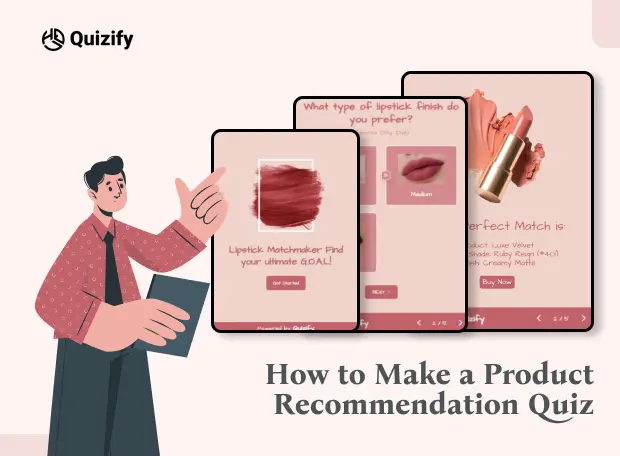
Due to increased competitiveness in e-commerce, one of the key ways through which businesses can stand out is by personalizing the experience. Customers want personalized recommendations and the most effective way of getting it right is through a product recommendation quiz. In addition to making it entertaining, it leads your audience to the right products that fit their needs, wants, and how they live, and they are more likely to buy something. Below is a detailed, simple guide on creating a persuasive product recommendation quiz that also increases sales on your site while improving the client’s experience.
Step 1: Define Your Goal:

It is important to get to the bottom of this before coming up with the actual quiz. Are you looking for ways to enhance the sales of a product, collect more email addresses for marketing, or gain better customer response?
This means that your goal will determine the kind of questions to ask, the language used, and even the format of the quiz. For instance, a beauty firm may want its AI to suggest skincare regimens, or a clothes merchant to discover customers’ best type of clothing.
Step 2: Understand Your Audience:

To make the respondent relate to your quiz, you must know your audience. Find out what they do not like about the current service, what they would like, and how they shop. For instance, if you are selling your products to technologically inclined consumers, do not complicate your language, or use jargon and your recommendations must incorporate the features of the product.
Step 3: Choose the Right Platform:
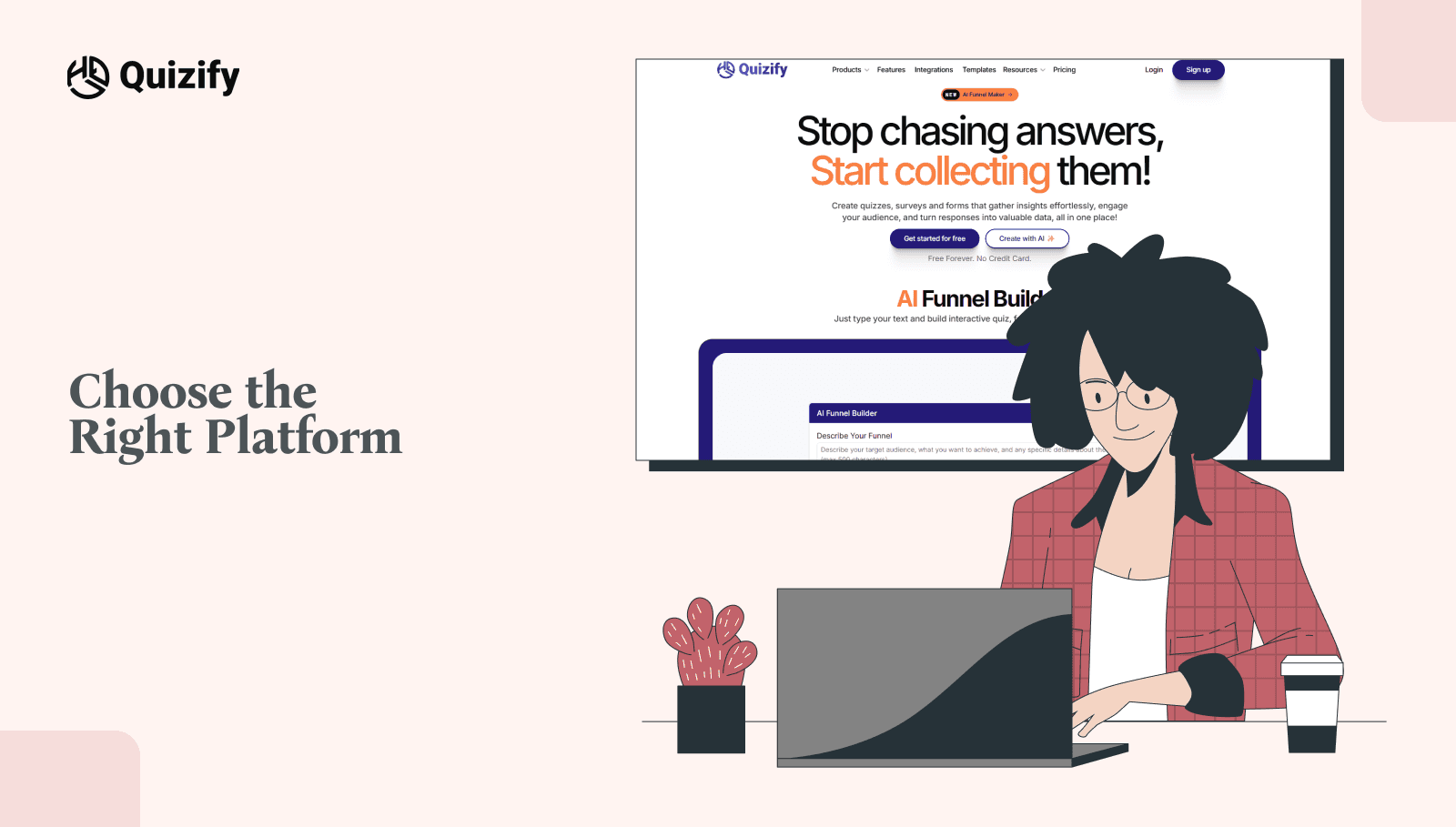
To add an extra layer of interactivity and fun to your course, there is a quiz-building platform that will help you create an interactive quiz with little effort. There are many powerful tools to create unique and visually appealing quizzes that will be easily integrated into an existing website or social network. It also has quiz templates and conditional branching which enables the quiz administrators to present questions as per the user responses and the design to be appealing.
Step 4: Craft Engaging Questions:
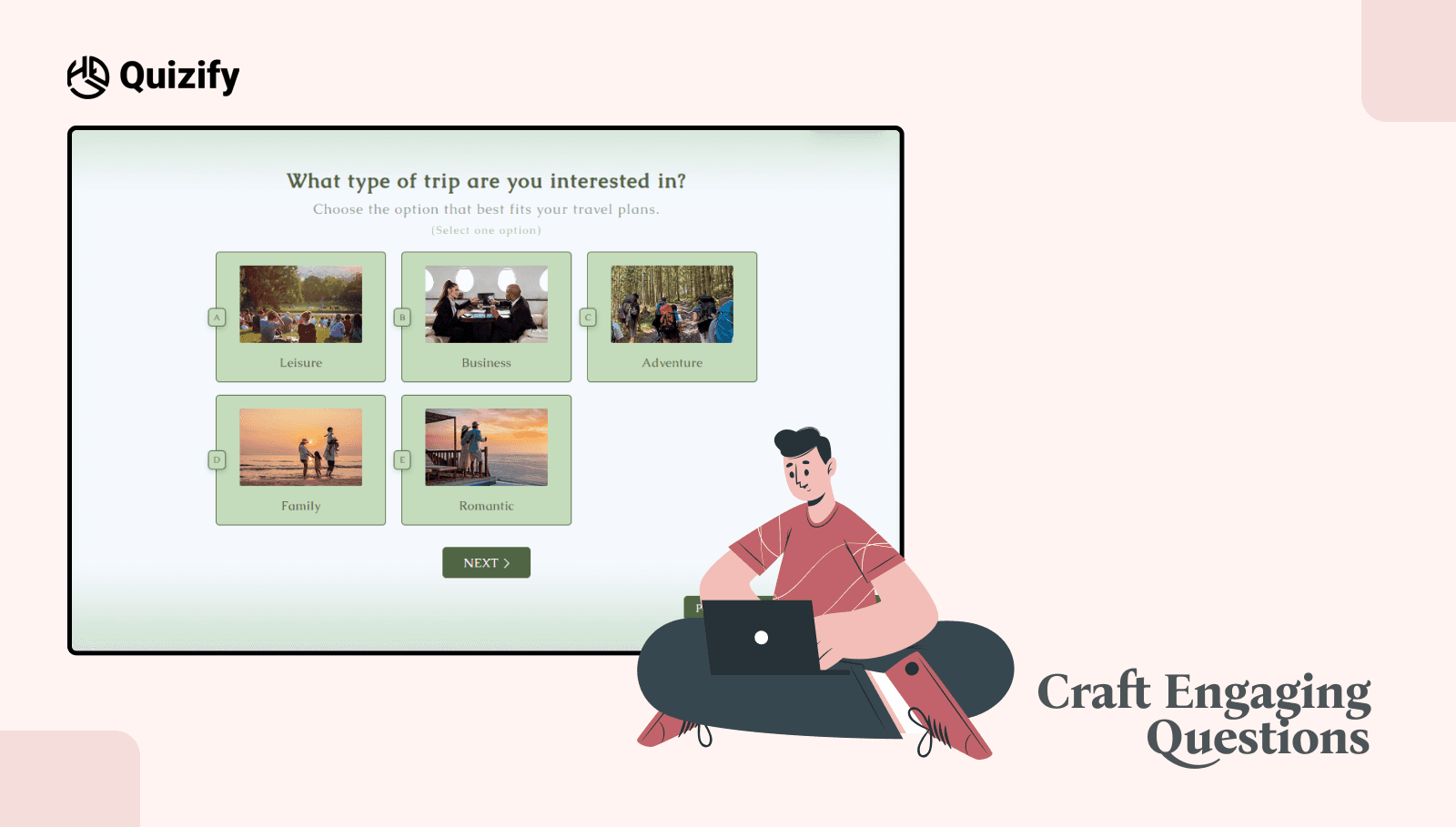
The quality of the question determines the success of your product recommendation quiz. Make them to be short, timely, and interesting to read. Easier questions first before the more specific questions like when asking questions that involve children, begin with, ‘What do you do with children?’ For example:
“The most troubling question in skin care?”
“How many times per week?”
“At what frequency during the week do you exercise?”
“What’s your preferred style: casual, formal, or trendy?”
Try not to ask too many questions; this results in the user getting annoyed. About 5-10 questions should suffice. Simple: make sure every question takes you closer to making the recommendation of the right product.
Step 5: Use Conditional Logic:
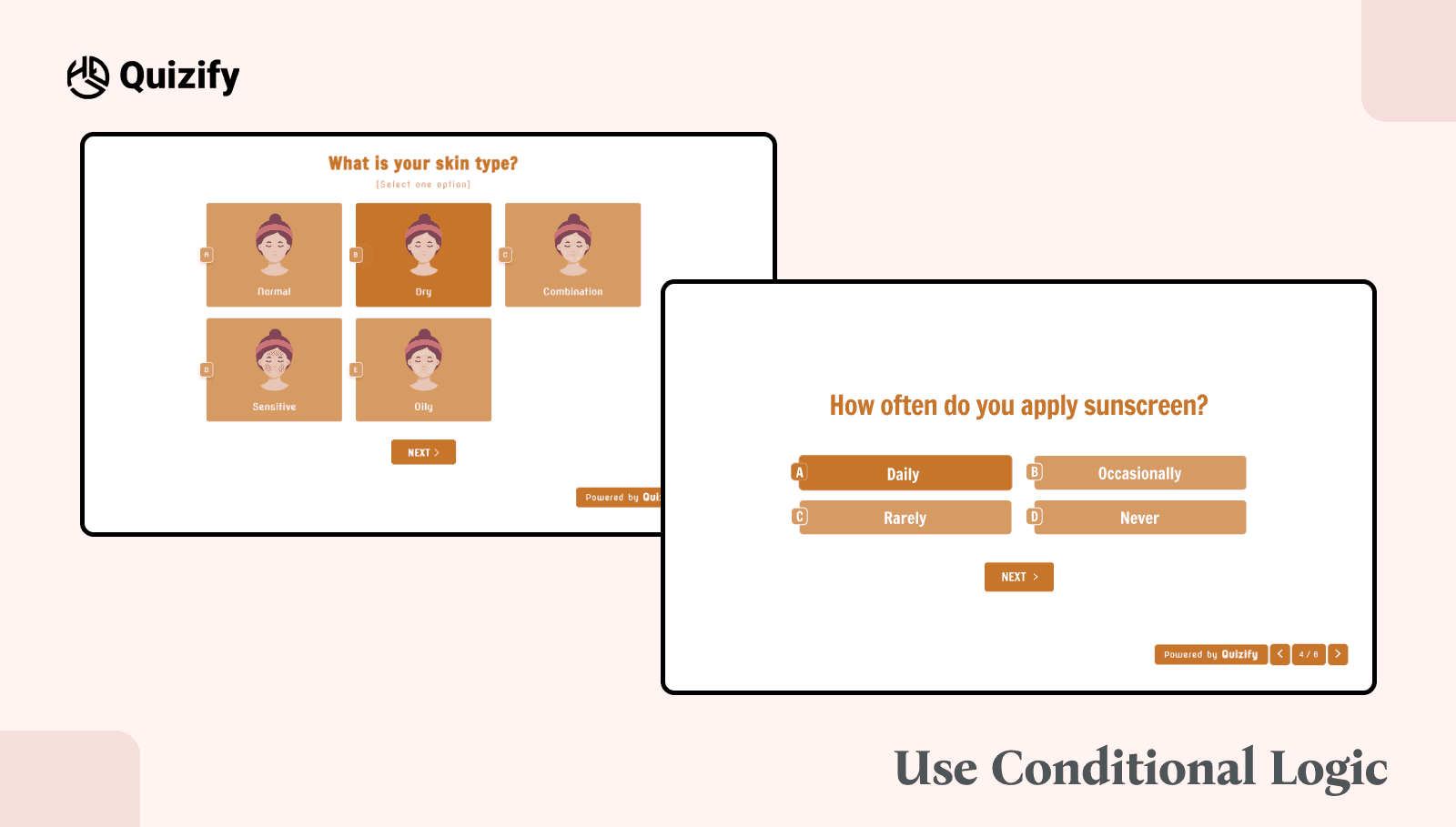
Conditional logic brings fun by changing the order and approach to questions according to the answers given. For instance, if a user chooses “dry skin” as their problem, other questions about products should be about moisturizing products. This approach seems more targeted, and consumers trust this kind of service provision since it is geared towards unlocking the purchase process.
Step 6: Lay down Clear Outcomes and Conclusion:
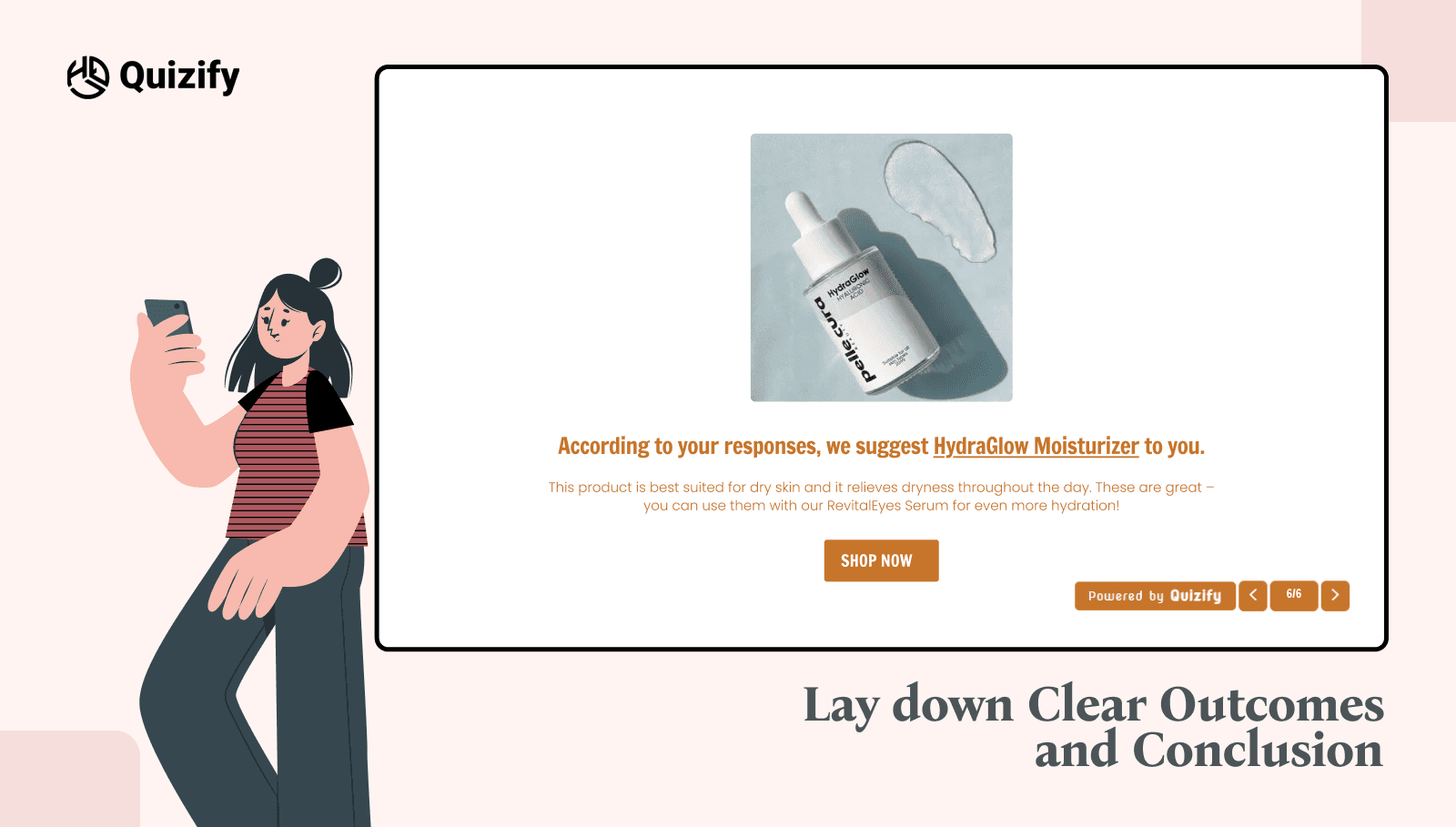
After the users have finished the quiz, it should offer them a clear result, which should include necessary actions. Display to them the products that they might need to include short descriptions as to why these items would be something they would need. Aside from that, you could also incorporate customers’ reviews/testimonies or ratings to accentuate the importance of your recommendations.
For example:
According to your responses, we suggest HydraGlow Moisturizer to you. This product is best suited for dry skin and it relieves dryness throughout the day. These are great—you can use them with our Revital Eyes Serum for even more hydration!
Step 7: Action Items Incorporation of Call-to-Actions (CTAs):
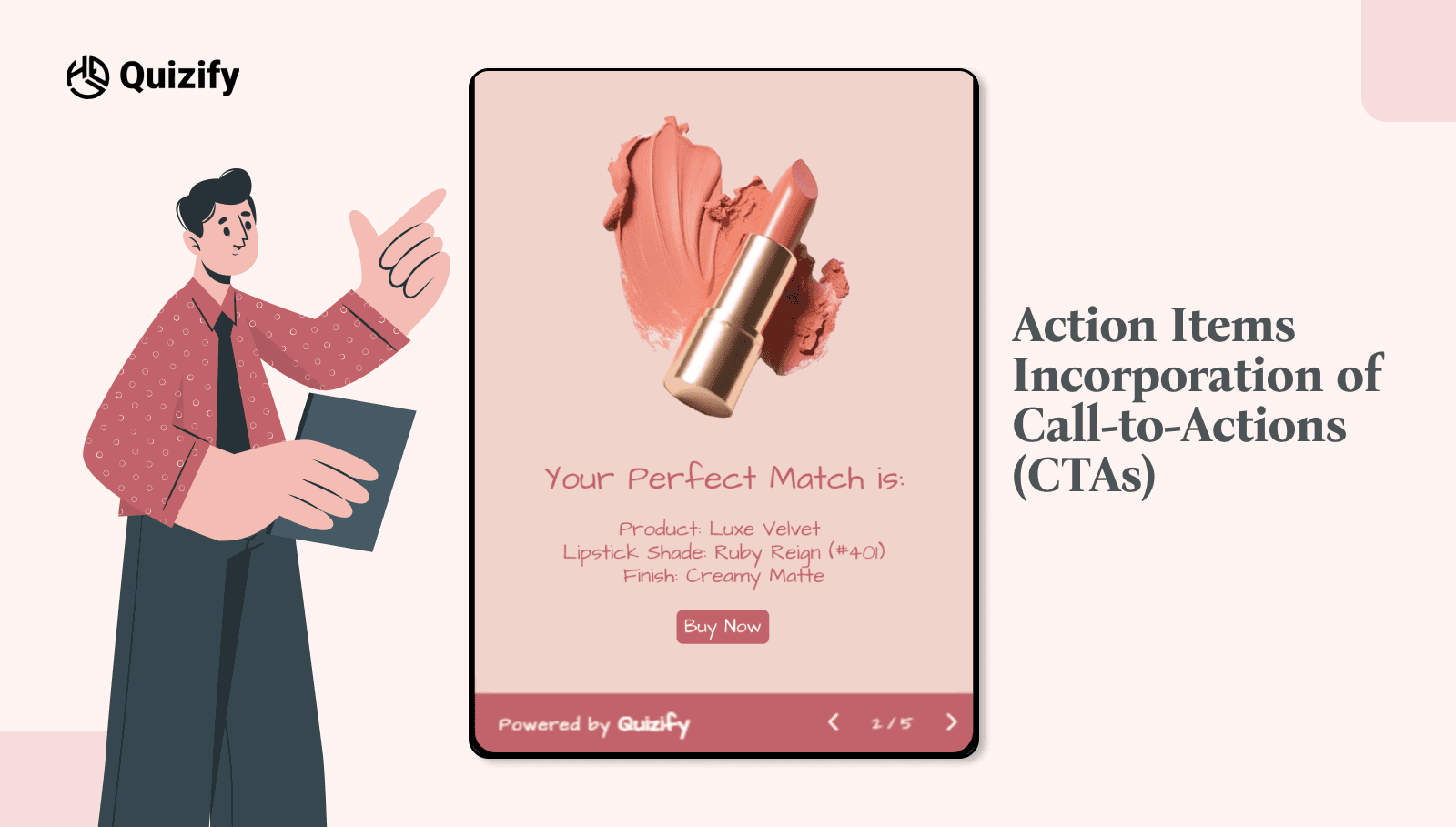
Every quiz result should be followed by a clear CTA that takes users further—toward the purchase, newsletter subscription, or discovery of more products. There are specific phrases that include, but are not limited to, ‘Shop Now,’ ‘Claim Your Discount,’ and ‘Learn More.’
Step 8: Promote Your Quiz:
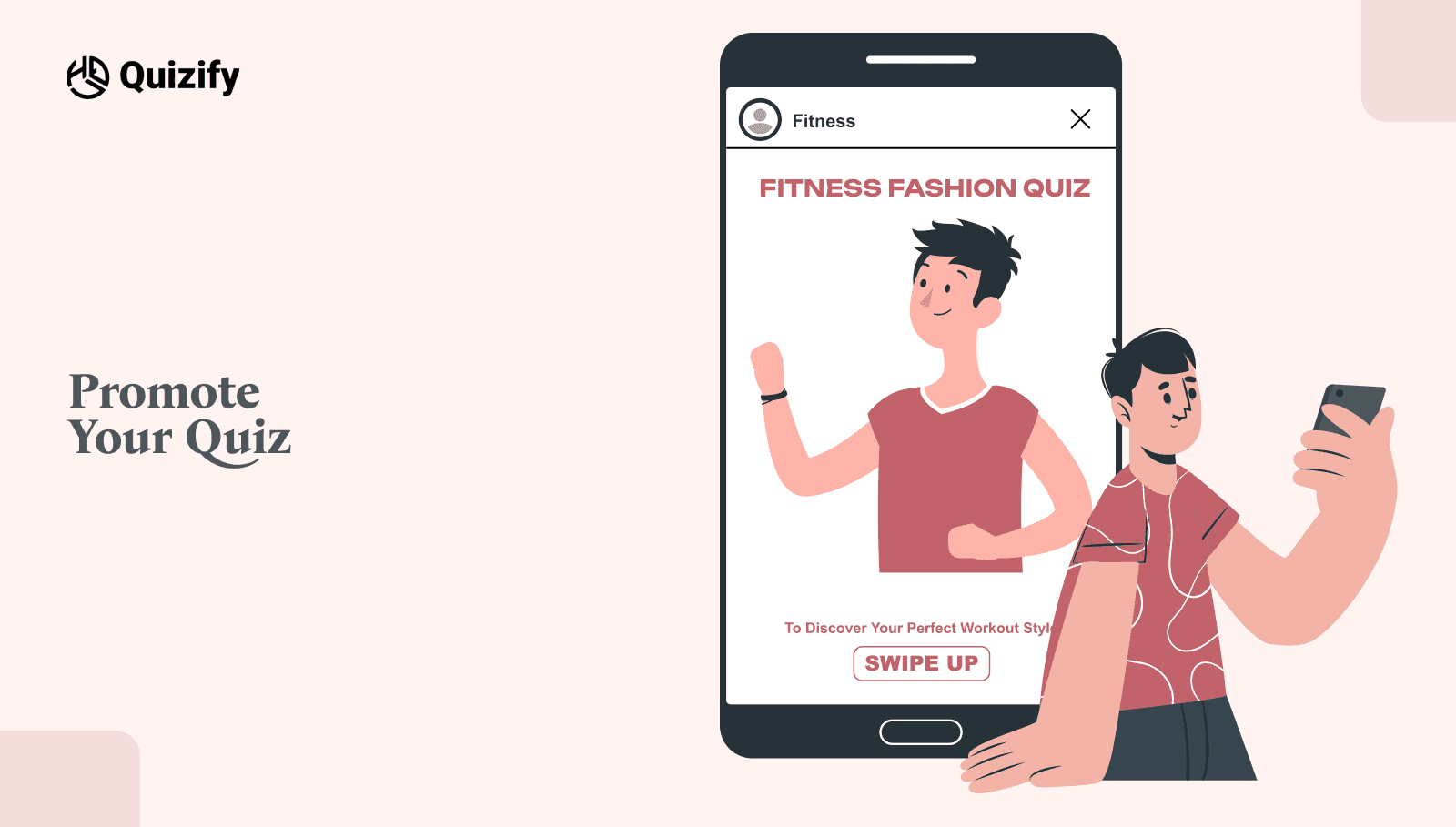
Depending on where your quiz is located, your quiz is not likely to achieve its desired success if it is somewhere on your website. Share it on your social media profiles, in newsletters, and as a pop-up/cookie notification on your website. For instance, a fitness brand might share the quiz in their Instagram Story and add a swipe-up link saying swipe up to find what workout wear they should be wearing.
Step 9: Analyse and Optimize:
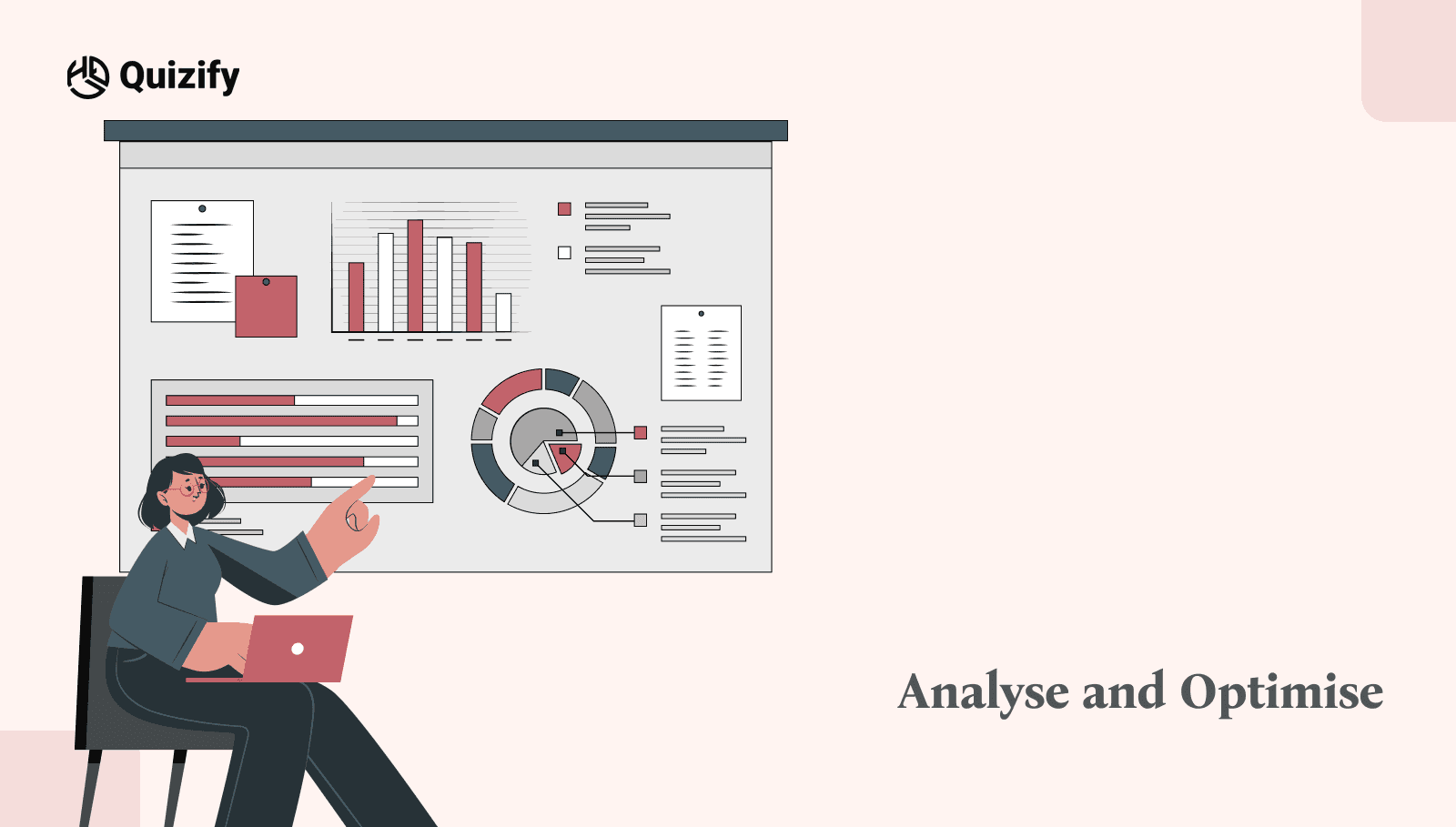
We need to know about evaluating your quiz after its launch, by utilizing such parameters as the completion rate, click-through rate, and conversion rate. These will help you improve the quiz and it’s maybe time to work on questions and changes on the CTAs, or go over the design to make it something more visually appealing.
Start Building Your Product Recommendation Quiz Using Quizify.io: Now that we know what it takes to make an exciting and highly converting quiz let me present Quizify as the tool of the trade. This powerful quiz builder offers:
Interchangeable templates to simplify as much as possible the use that one can make of them.
Because the goal is to give actual and exclusive experiences to the user, the most suitable environment is one that adapts depending on the page the user accesses.
Functional to monitor the trends of quizzes and enhance the scores.
What makes Quizify.io unique is the ability to create quizzes that not only engage your audiences but also prompt them toward creating valuable business outcomes.
Conclusion
A product recommendation quiz is quite useful in enhancing audience involvement, establishing trust, and creating sales. It is now possible to create a quiz that will offer a custom quiz based on well - defined steps, like Goal setting, audience analysis, and using tools such as Quizify. It is high time that you start building your quiz today and see an instant rise in your engagement, and conversions.
Read More: How to Analyze Quiz Results for Better Customer Insights?
Due to increased competitiveness in e-commerce, one of the key ways through which businesses can stand out is by personalizing the experience. Customers want personalized recommendations and the most effective way of getting it right is through a product recommendation quiz. In addition to making it entertaining, it leads your audience to the right products that fit their needs, wants, and how they live, and they are more likely to buy something. Below is a detailed, simple guide on creating a persuasive product recommendation quiz that also increases sales on your site while improving the client’s experience.
Step 1: Define Your Goal:

It is important to get to the bottom of this before coming up with the actual quiz. Are you looking for ways to enhance the sales of a product, collect more email addresses for marketing, or gain better customer response?
This means that your goal will determine the kind of questions to ask, the language used, and even the format of the quiz. For instance, a beauty firm may want its AI to suggest skincare regimens, or a clothes merchant to discover customers’ best type of clothing.
Step 2: Understand Your Audience:

To make the respondent relate to your quiz, you must know your audience. Find out what they do not like about the current service, what they would like, and how they shop. For instance, if you are selling your products to technologically inclined consumers, do not complicate your language, or use jargon and your recommendations must incorporate the features of the product.
Step 3: Choose the Right Platform:

To add an extra layer of interactivity and fun to your course, there is a quiz-building platform that will help you create an interactive quiz with little effort. There are many powerful tools to create unique and visually appealing quizzes that will be easily integrated into an existing website or social network. It also has quiz templates and conditional branching which enables the quiz administrators to present questions as per the user responses and the design to be appealing.
Step 4: Craft Engaging Questions:

The quality of the question determines the success of your product recommendation quiz. Make them to be short, timely, and interesting to read. Easier questions first before the more specific questions like when asking questions that involve children, begin with, ‘What do you do with children?’ For example:
“The most troubling question in skin care?”
“How many times per week?”
“At what frequency during the week do you exercise?”
“What’s your preferred style: casual, formal, or trendy?”
Try not to ask too many questions; this results in the user getting annoyed. About 5-10 questions should suffice. Simple: make sure every question takes you closer to making the recommendation of the right product.
Step 5: Use Conditional Logic:

Conditional logic brings fun by changing the order and approach to questions according to the answers given. For instance, if a user chooses “dry skin” as their problem, other questions about products should be about moisturizing products. This approach seems more targeted, and consumers trust this kind of service provision since it is geared towards unlocking the purchase process.
Step 6: Lay down Clear Outcomes and Conclusion:

After the users have finished the quiz, it should offer them a clear result, which should include necessary actions. Display to them the products that they might need to include short descriptions as to why these items would be something they would need. Aside from that, you could also incorporate customers’ reviews/testimonies or ratings to accentuate the importance of your recommendations.
For example:
According to your responses, we suggest HydraGlow Moisturizer to you. This product is best suited for dry skin and it relieves dryness throughout the day. These are great—you can use them with our Revital Eyes Serum for even more hydration!
Step 7: Action Items Incorporation of Call-to-Actions (CTAs):

Every quiz result should be followed by a clear CTA that takes users further—toward the purchase, newsletter subscription, or discovery of more products. There are specific phrases that include, but are not limited to, ‘Shop Now,’ ‘Claim Your Discount,’ and ‘Learn More.’
Step 8: Promote Your Quiz:

Depending on where your quiz is located, your quiz is not likely to achieve its desired success if it is somewhere on your website. Share it on your social media profiles, in newsletters, and as a pop-up/cookie notification on your website. For instance, a fitness brand might share the quiz in their Instagram Story and add a swipe-up link saying swipe up to find what workout wear they should be wearing.
Step 9: Analyse and Optimize:

We need to know about evaluating your quiz after its launch, by utilizing such parameters as the completion rate, click-through rate, and conversion rate. These will help you improve the quiz and it’s maybe time to work on questions and changes on the CTAs, or go over the design to make it something more visually appealing.
Start Building Your Product Recommendation Quiz Using Quizify.io: Now that we know what it takes to make an exciting and highly converting quiz let me present Quizify as the tool of the trade. This powerful quiz builder offers:
Interchangeable templates to simplify as much as possible the use that one can make of them.
Because the goal is to give actual and exclusive experiences to the user, the most suitable environment is one that adapts depending on the page the user accesses.
Functional to monitor the trends of quizzes and enhance the scores.
What makes Quizify.io unique is the ability to create quizzes that not only engage your audiences but also prompt them toward creating valuable business outcomes.
Conclusion
A product recommendation quiz is quite useful in enhancing audience involvement, establishing trust, and creating sales. It is now possible to create a quiz that will offer a custom quiz based on well - defined steps, like Goal setting, audience analysis, and using tools such as Quizify. It is high time that you start building your quiz today and see an instant rise in your engagement, and conversions.
Read More: How to Analyze Quiz Results for Better Customer Insights?
Due to increased competitiveness in e-commerce, one of the key ways through which businesses can stand out is by personalizing the experience. Customers want personalized recommendations and the most effective way of getting it right is through a product recommendation quiz. In addition to making it entertaining, it leads your audience to the right products that fit their needs, wants, and how they live, and they are more likely to buy something. Below is a detailed, simple guide on creating a persuasive product recommendation quiz that also increases sales on your site while improving the client’s experience.
Step 1: Define Your Goal:

It is important to get to the bottom of this before coming up with the actual quiz. Are you looking for ways to enhance the sales of a product, collect more email addresses for marketing, or gain better customer response?
This means that your goal will determine the kind of questions to ask, the language used, and even the format of the quiz. For instance, a beauty firm may want its AI to suggest skincare regimens, or a clothes merchant to discover customers’ best type of clothing.
Step 2: Understand Your Audience:

To make the respondent relate to your quiz, you must know your audience. Find out what they do not like about the current service, what they would like, and how they shop. For instance, if you are selling your products to technologically inclined consumers, do not complicate your language, or use jargon and your recommendations must incorporate the features of the product.
Step 3: Choose the Right Platform:

To add an extra layer of interactivity and fun to your course, there is a quiz-building platform that will help you create an interactive quiz with little effort. There are many powerful tools to create unique and visually appealing quizzes that will be easily integrated into an existing website or social network. It also has quiz templates and conditional branching which enables the quiz administrators to present questions as per the user responses and the design to be appealing.
Step 4: Craft Engaging Questions:

The quality of the question determines the success of your product recommendation quiz. Make them to be short, timely, and interesting to read. Easier questions first before the more specific questions like when asking questions that involve children, begin with, ‘What do you do with children?’ For example:
“The most troubling question in skin care?”
“How many times per week?”
“At what frequency during the week do you exercise?”
“What’s your preferred style: casual, formal, or trendy?”
Try not to ask too many questions; this results in the user getting annoyed. About 5-10 questions should suffice. Simple: make sure every question takes you closer to making the recommendation of the right product.
Step 5: Use Conditional Logic:

Conditional logic brings fun by changing the order and approach to questions according to the answers given. For instance, if a user chooses “dry skin” as their problem, other questions about products should be about moisturizing products. This approach seems more targeted, and consumers trust this kind of service provision since it is geared towards unlocking the purchase process.
Step 6: Lay down Clear Outcomes and Conclusion:

After the users have finished the quiz, it should offer them a clear result, which should include necessary actions. Display to them the products that they might need to include short descriptions as to why these items would be something they would need. Aside from that, you could also incorporate customers’ reviews/testimonies or ratings to accentuate the importance of your recommendations.
For example:
According to your responses, we suggest HydraGlow Moisturizer to you. This product is best suited for dry skin and it relieves dryness throughout the day. These are great—you can use them with our Revital Eyes Serum for even more hydration!
Step 7: Action Items Incorporation of Call-to-Actions (CTAs):

Every quiz result should be followed by a clear CTA that takes users further—toward the purchase, newsletter subscription, or discovery of more products. There are specific phrases that include, but are not limited to, ‘Shop Now,’ ‘Claim Your Discount,’ and ‘Learn More.’
Step 8: Promote Your Quiz:

Depending on where your quiz is located, your quiz is not likely to achieve its desired success if it is somewhere on your website. Share it on your social media profiles, in newsletters, and as a pop-up/cookie notification on your website. For instance, a fitness brand might share the quiz in their Instagram Story and add a swipe-up link saying swipe up to find what workout wear they should be wearing.
Step 9: Analyse and Optimize:

We need to know about evaluating your quiz after its launch, by utilizing such parameters as the completion rate, click-through rate, and conversion rate. These will help you improve the quiz and it’s maybe time to work on questions and changes on the CTAs, or go over the design to make it something more visually appealing.
Start Building Your Product Recommendation Quiz Using Quizify.io: Now that we know what it takes to make an exciting and highly converting quiz let me present Quizify as the tool of the trade. This powerful quiz builder offers:
Interchangeable templates to simplify as much as possible the use that one can make of them.
Because the goal is to give actual and exclusive experiences to the user, the most suitable environment is one that adapts depending on the page the user accesses.
Functional to monitor the trends of quizzes and enhance the scores.
What makes Quizify.io unique is the ability to create quizzes that not only engage your audiences but also prompt them toward creating valuable business outcomes.
Conclusion
A product recommendation quiz is quite useful in enhancing audience involvement, establishing trust, and creating sales. It is now possible to create a quiz that will offer a custom quiz based on well - defined steps, like Goal setting, audience analysis, and using tools such as Quizify. It is high time that you start building your quiz today and see an instant rise in your engagement, and conversions.
Read More: How to Analyze Quiz Results for Better Customer Insights?
Join our newsletter list
Sign up to get the most recent blog articles in your email every week.
Similar Topic
Related Blogs
Similar Topic
Related Blogs
More Articles
Latest Blogs
More Articles
Latest Blogs
More Articles