How Data Analytics Can Accelerate Your Business Growth
Marketing and Promotion
7 Min Read
Discover how data analytics helps businesses grow faster by improving decision-making, understanding customer behavior, and optimizing marketing strategies.
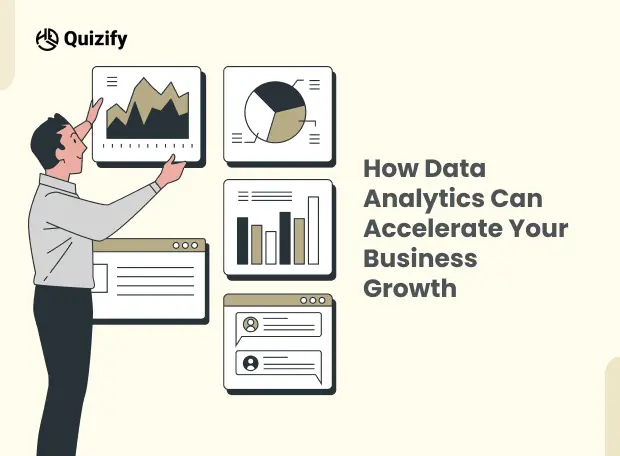
Businesses talk about data all the time.
Sales reports, website analytics, marketing dashboards. Every tool promises insights that will help companies grow faster. Yet many teams still struggle to turn those numbers into clear decisions.
The problem is rarely the lack of data.
More often, businesses collect information without capturing the context behind it. A simple lead form might gather an email address, but it tells you very little about what the visitor actually wants.
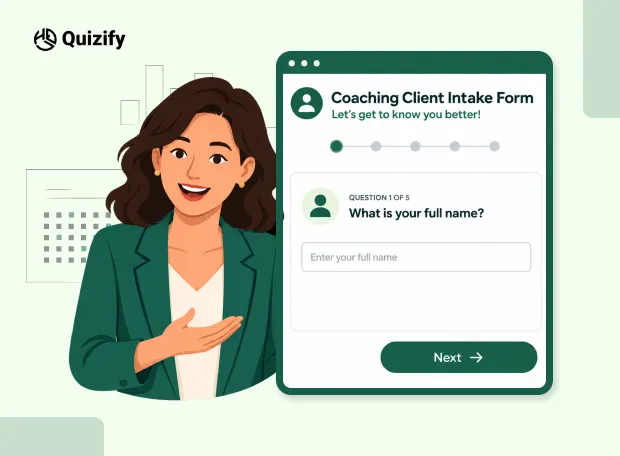
That’s where lead generation quizzes have started to stand out. Instead of asking for basic details, quizzes encourage visitors to answer a few quick questions. Those responses reveal intent, preferences, and sometimes even buying readiness.
Once that data feeds into analytics tools, patterns start to emerge. And those patterns can influence everything from marketing campaigns to inventory planning.
Why Data Quality Matters Before Analytics
Analytics only works when the input is strong. If the data going in is incomplete or messy, the insight will be weak too. That is where many businesses get stuck. They track numbers, but the information behind those numbers lacks real depth.
That is why lead generation quizzes can be so useful. They help businesses collect more than just names and email addresses. A well-built quiz can reveal intent, preferences, and customer needs. Tools like Quizify make that process easier, while giving teams better data to work with later. Here are seven practical ways data analytics can accelerate business growth.
1. Optimize Inventory Management
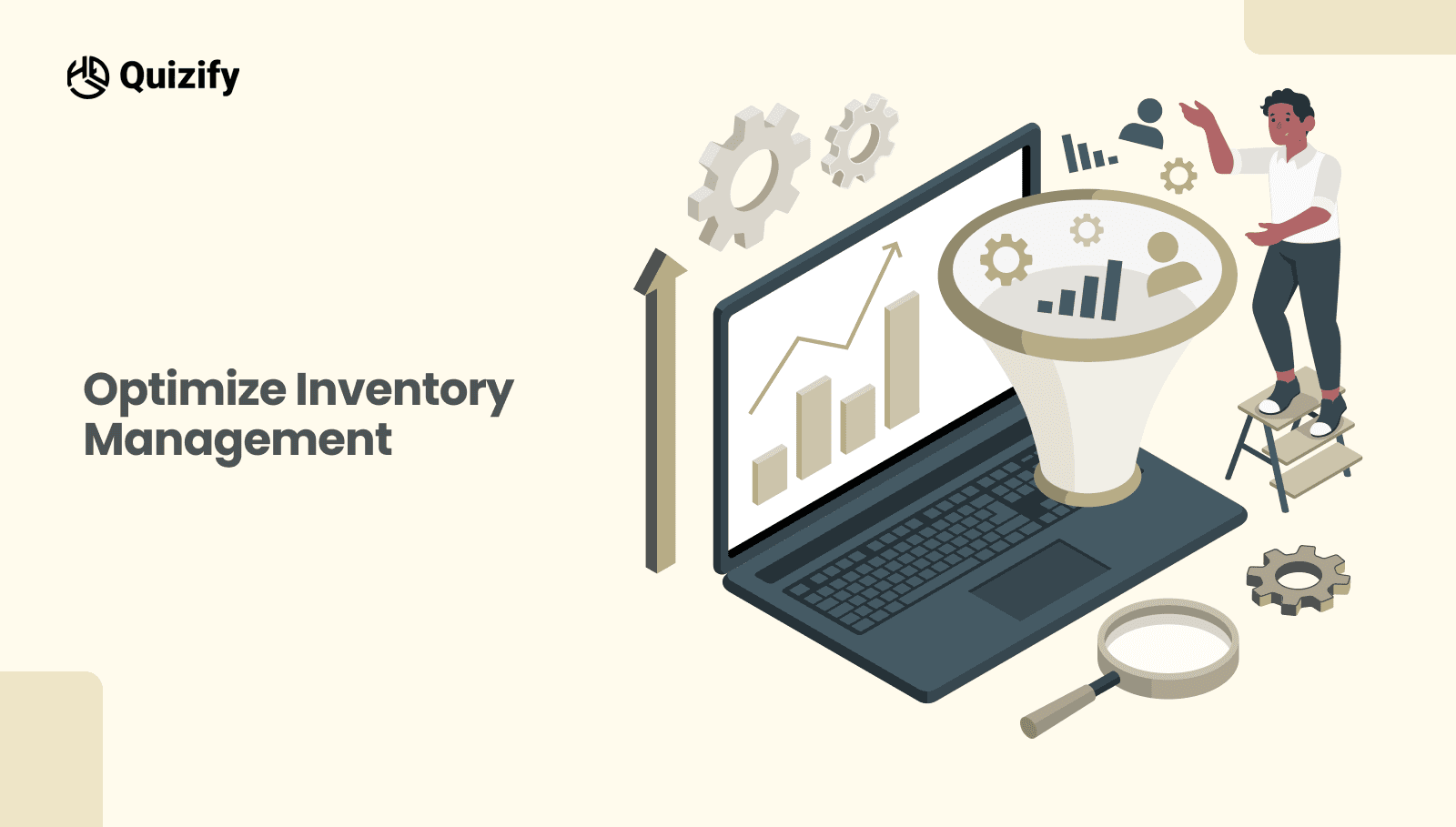
Inventory management often feels like a guessing game. Order too much stock and you lock up cash in storage. Order too little and customers leave empty handed. Both situations hurt growth.
Data analytics helps remove some of that uncertainty. By reviewing historical sales data, businesses can see when certain products usually perform well. Seasonal spikes become easier to anticipate. Slow periods become easier to prepare for.
Sometimes the data reveals smaller details as well.
For example, two products might consistently sell together. That insight can lead to smarter bundling strategies or adjustments in stock levels.
Better forecasting rarely happens overnight. Still, even small improvements can reduce waste and improve availability over time.
2. Enhance Product Selection
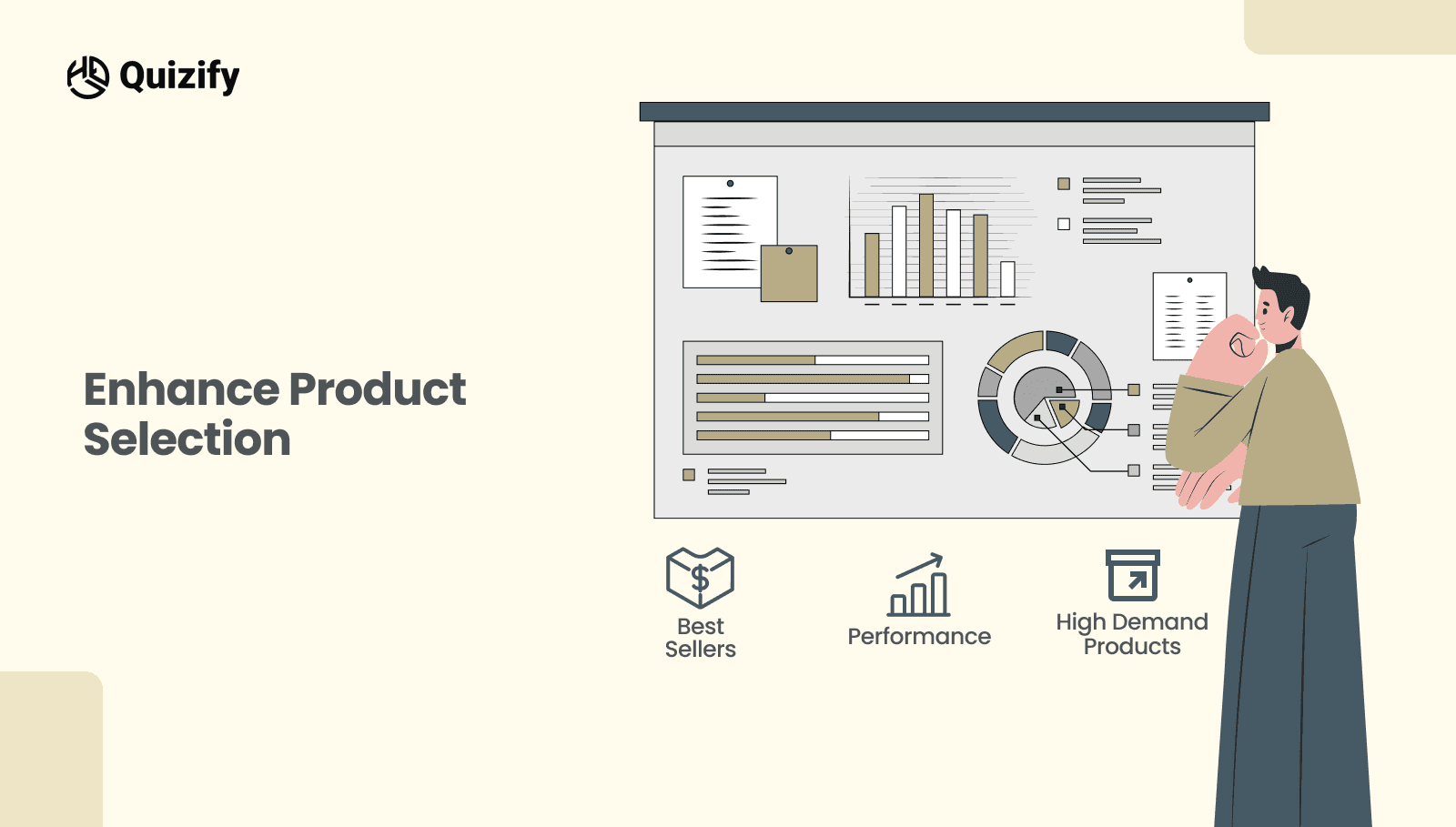
Not every product in a catalog deserves equal attention. Some items quietly perform well for years. Others attract early interest but fail to create repeat purchases. Without analytics, these differences are easy to miss.
Sales numbers offer the first signal, but they rarely tell the full story. Customer feedback survey often explains what’s really happening. Many businesses now run survey campaigns after purchases to understand how customers actually experience a product.
A product might sell well initially but receive poor satisfaction scores. Another might sell less often yet generate strong loyalty. Looking at both the numbers and the feedback gives product teams a much clearer picture of where to focus their efforts.
3. Refine Marketing Strategies with Precision
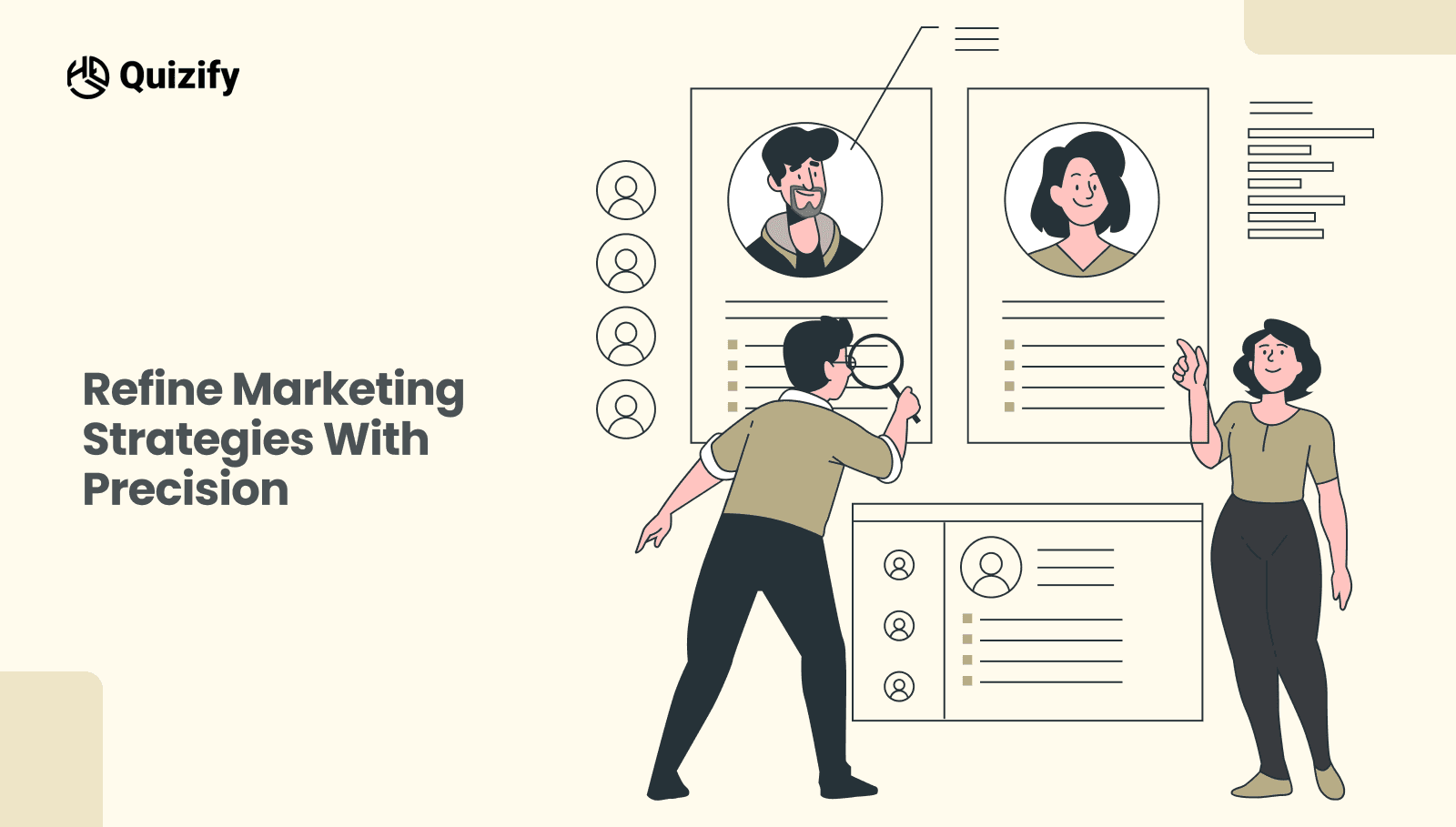
Marketing decisions become far easier when real data is involved. Analytics tools show where visitors come from, what pages they explore, and which actions lead to conversions. Over time, this information highlights which channels actually work.
That insight alone can prevent wasted marketing spend.
Many businesses also rely on an interactive funnel builder to guide visitors through a more structured journey. Instead of random interactions, potential customers move through clear steps.
At the beginning of that process, lead generation quizzes often perform well because they invite participation rather than pushing a sales message.
Visitors answer a few questions and receive helpful suggestions. Meanwhile, businesses collect quiz data insights that can strengthen the entire online marketing funnel.
4. Improve Employee Training and Performance
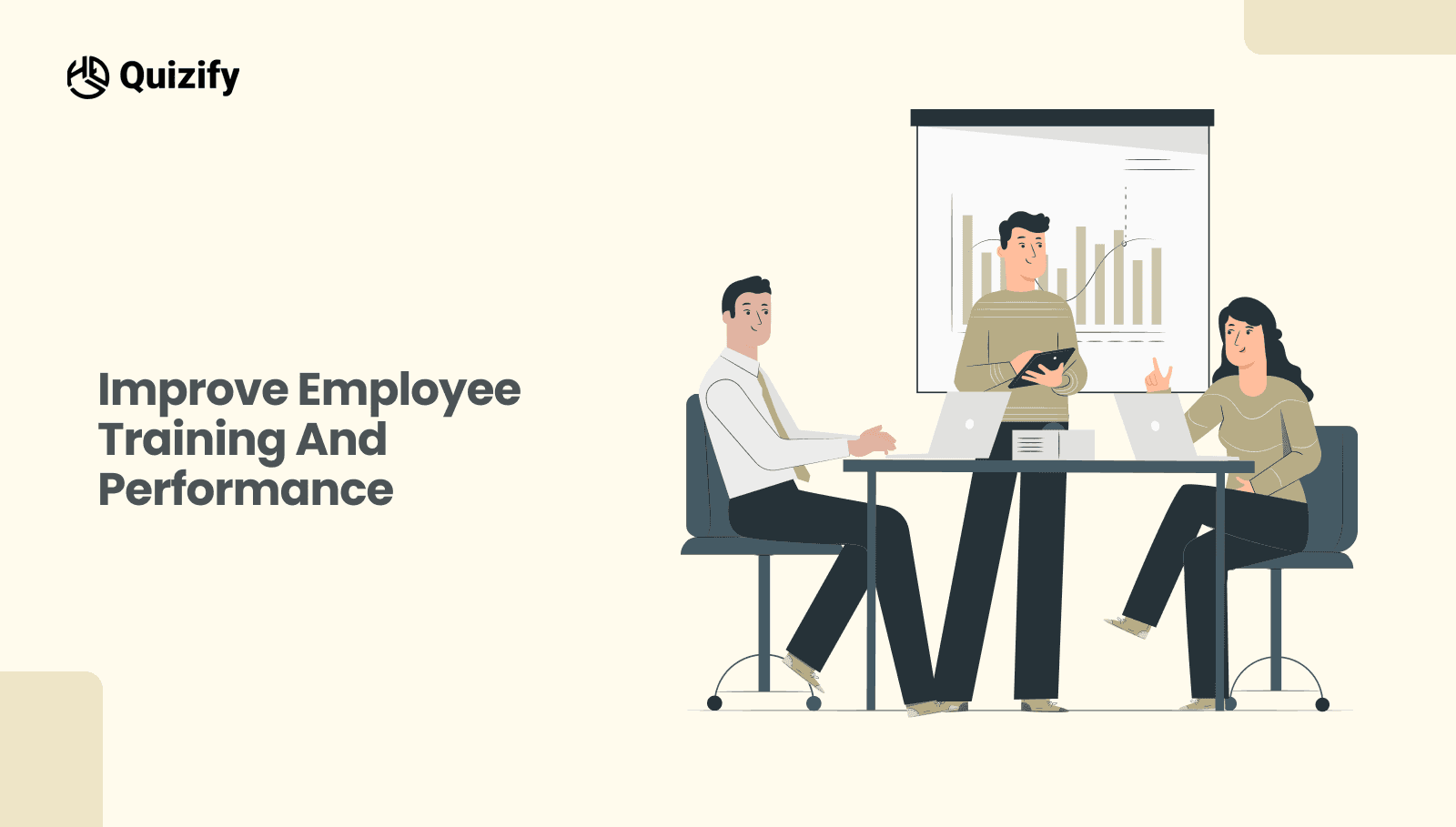
Training often misses the mark because it is built on assumptions. Data changes that.
When businesses look at performance patterns closely, weak spots become easier to spot. A team may be slowing down at one stage of the process. Another team may be making the same avoidable mistakes again and again.
That kind of insight makes training more useful. Instead of teaching everything, managers can focus on the part that actually needs work. Employees get clearer guidance, and improvement becomes easier to measure.
Sometimes the data also shows what top performers are doing differently. That can be just as valuable.
5. Reduce Operational Costs Through Insights
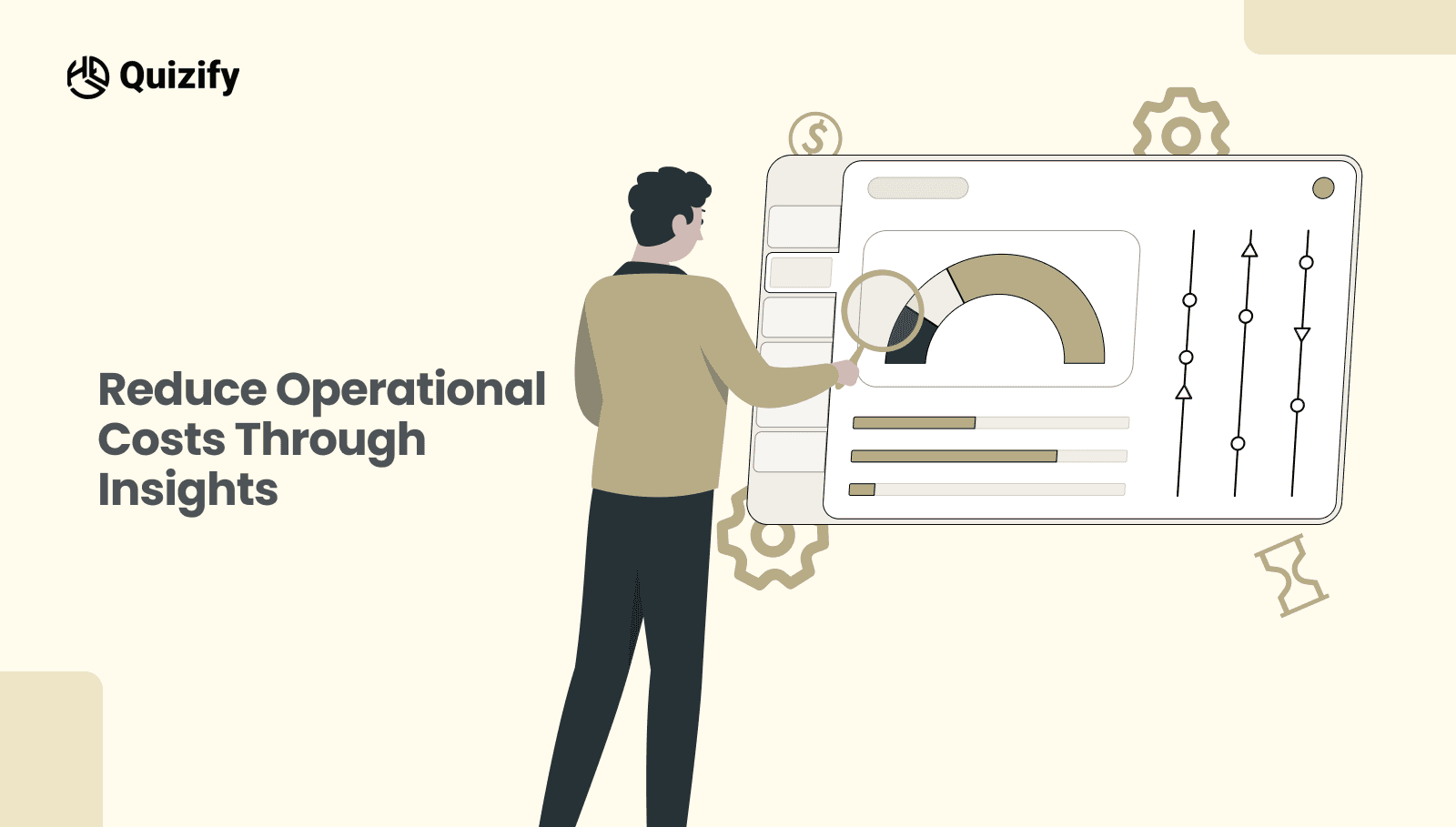
Costs do not always rise because of one big problem. Sometimes it is a collection of small things. A repeated task. An approval that takes too long. A workflow that no longer makes sense but still exists because nobody stopped to question it.
Analytics helps bring those issues to the surface. Once businesses start tracking process data, delays and bottlenecks become easier to see. A step that seemed normal may actually be slowing down everything around it.
Many teams also use survey analytics tools to study customer complaints and feedback trends. That can reveal hidden friction in service or delivery.
Fixing these issues often saves time first. The cost savings follow soon after.
6. Discover Upselling and Cross-Selling Opportunities
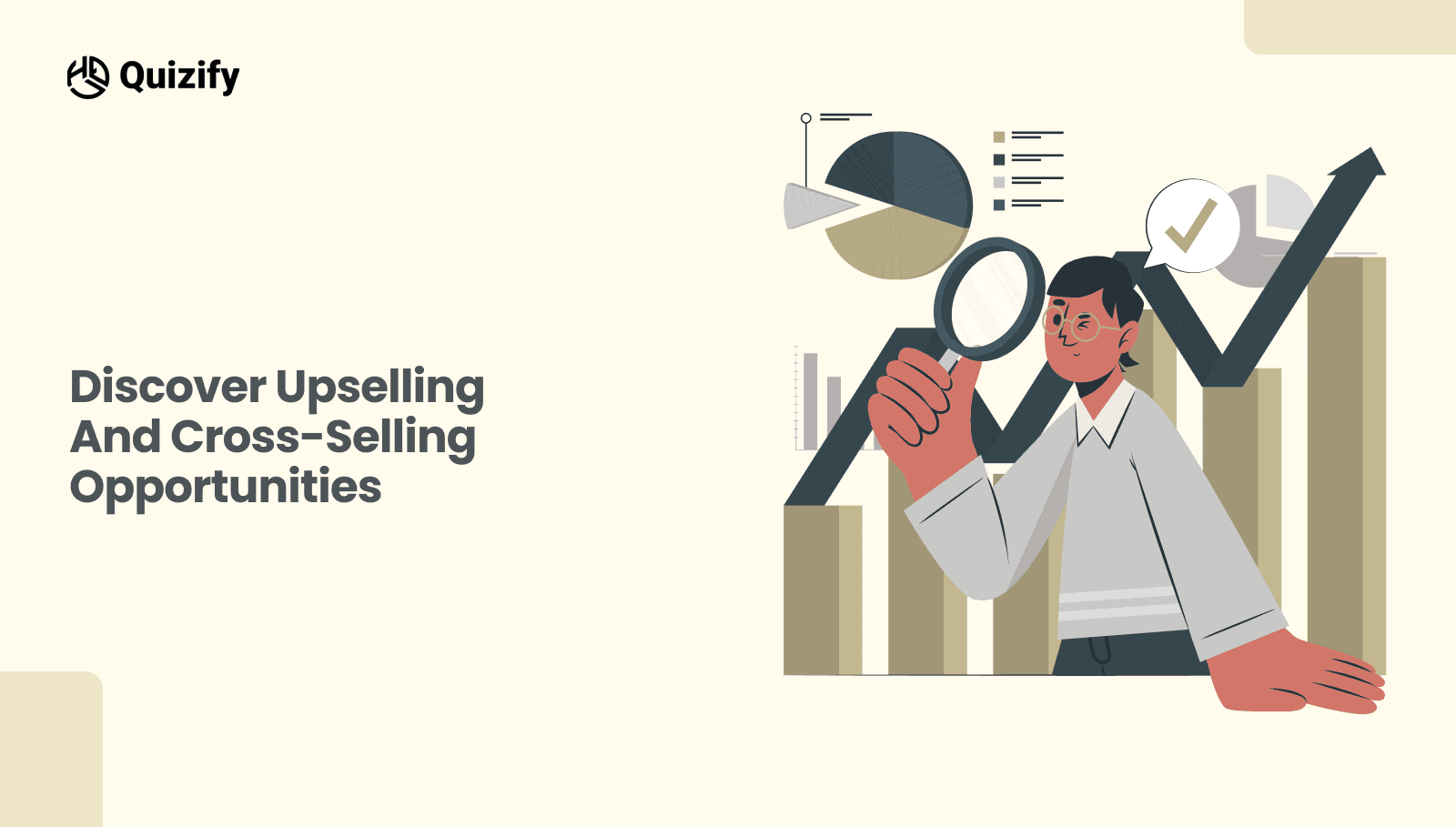
A lot of businesses look outward for growth when they should also be looking inward. Existing customers usually leave useful clues behind.
Purchase history can show which products are often bought together. It can also reveal when customers tend to upgrade or come back for something related. Those patterns make it easier to build offers that feel relevant.
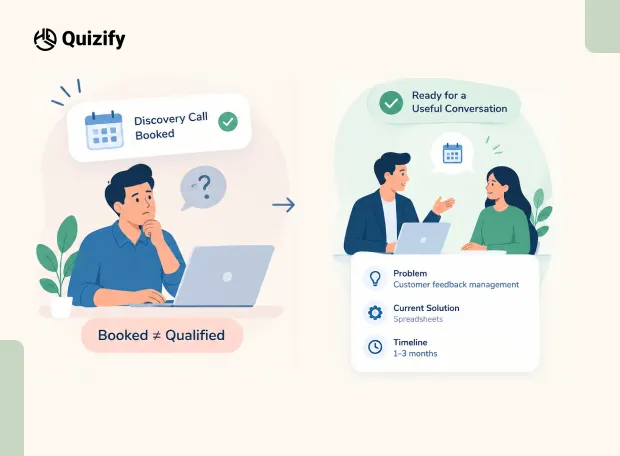
This is where lead generation quizzes can help as well. A short quiz can reveal what a customer is trying to solve, what they prefer, or what stage they are in. That adds context which raw sales data often misses.
With better quiz data insights, upsell and cross-sell recommendations quizzes can stop feeling random and start feeling useful.
7. Collect Better Data with Form Builders
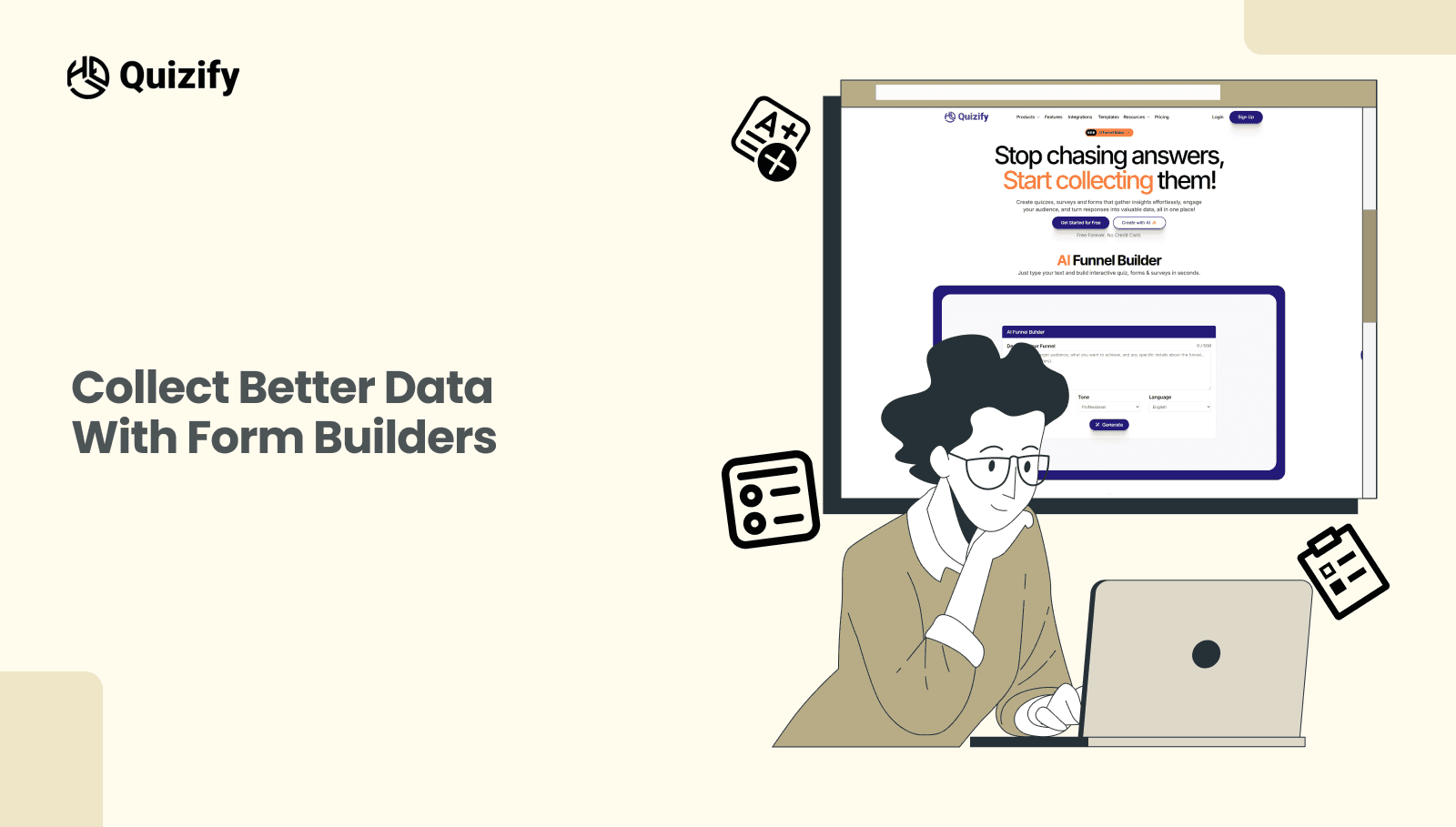
Analytics only works when the input is strong. That is where many businesses struggle. They want better insights, but the data they collect is too limited to tell them much.
Simple forms are part of the problem. They gather contact details, but not much else.
An interactive quiz maker can do more than that. It gives businesses a way to ask better questions without making the experience feel heavy. People are far more likely to answer a few guided questions than fill out a flat form.
Some teams also use an AI quiz builder to create these flows faster and shape questions around user responses.
Over time, the information collected through quizzes and survey campaigns becomes far more useful than basic form data. It gives teams a clearer view of what customers want and where they may be heading next.
Turning Insights Into Better Decisions
Collecting data is one thing. Using it well is something else.
Many businesses already have reports, dashboards, and performance metrics. Still, they struggle to turn that information into action. The gap usually comes from unclear priorities. When teams track too many numbers at once, the real insight gets buried. A better approach is to focus on the metrics that directly affect growth, such as conversion quality, repeat purchases, or customer drop-off points.
This is also where lead generation quizzes can become more useful over time. They do not just help with data collection. They also help businesses understand what prospects are looking for before a sales conversation even begins. Paired with quiz data insights and the right survey analytics tools, that information becomes much easier to act on. Platforms like Google Analytics can then help connect those responses with user behavior across the wider journey.
Building a Smarter Growth System
Growth becomes easier to manage when the data behind it is structured.
That is why businesses benefit from connecting data collection, analysis, and follow-up in one clear process. A quiz response, for example, should not sit in isolation. It should feed into a broader online marketing funnel, where teams can see what users clicked, where they paused, and what moved them closer to a decision. That level of visibility makes future campaigns far more effective.
In many cases, an interactive funnel builder or a smart interactive quiz maker helps connect the full journey. The value is not just in collecting responses. It is in turning those responses into better decisions. When that process works well, lead generation quizzes become more than a lead capture tool. They become part of a stronger and more consistent growth strategy.
Conclusion
Business growth gets easier when decisions are backed by real insight. You can see what is working, what needs attention, and where the next opportunity may be. That kind of clarity is hard to get from instinct alone.
It also comes back to the quality of the data itself. Tools like lead generation quizzes help businesses collect more useful information at the start. When that information feeds into the bigger strategy, it becomes much easier to move with confidence and improve results over time.
Read More: 9 Content Marketing Strategies That you must have to try
Join our newsletter list
Sign up to get the most recent blog articles in your email every week.
Similar Topic